PM Modi Inaugurates SEMICON India 2026, Highlights India’s Semiconductor Push

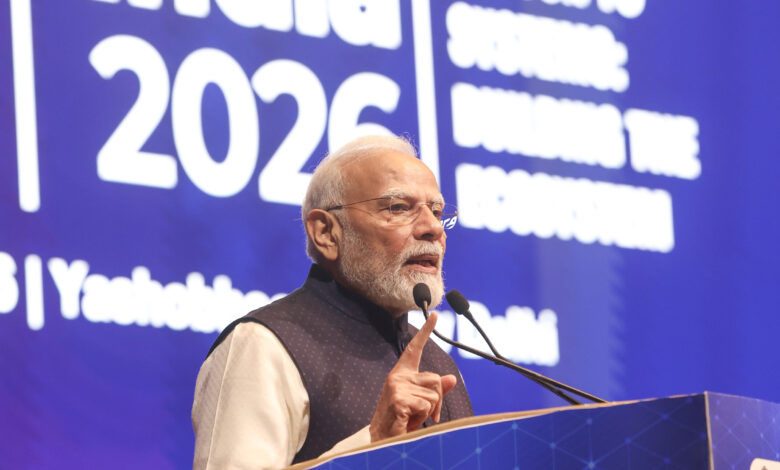
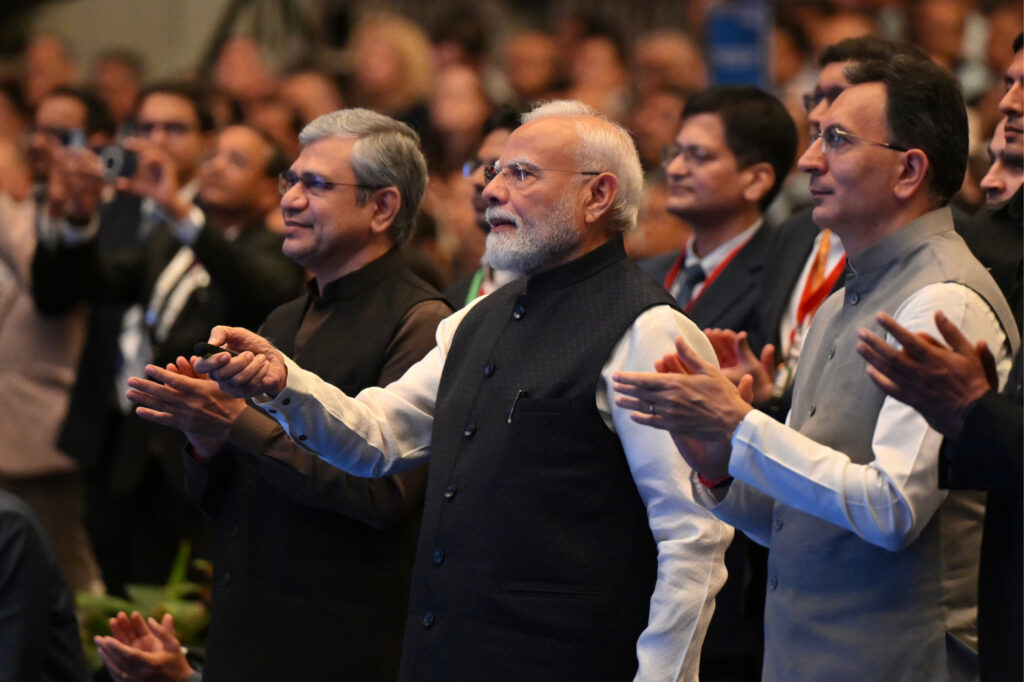
Prime Minister Narendra Modi inaugurated the fifth edition of SEMICON India 2026 at Yashobhoomi, New Delhi, highlighting India’s expanding semiconductor ecosystem and the government’s efforts to establish the country as a trusted global destination for chip manufacturing and technology. The three-day event, being held from September 17 to 19, has brought together global industry leaders, investors, policymakers, academia and startups.
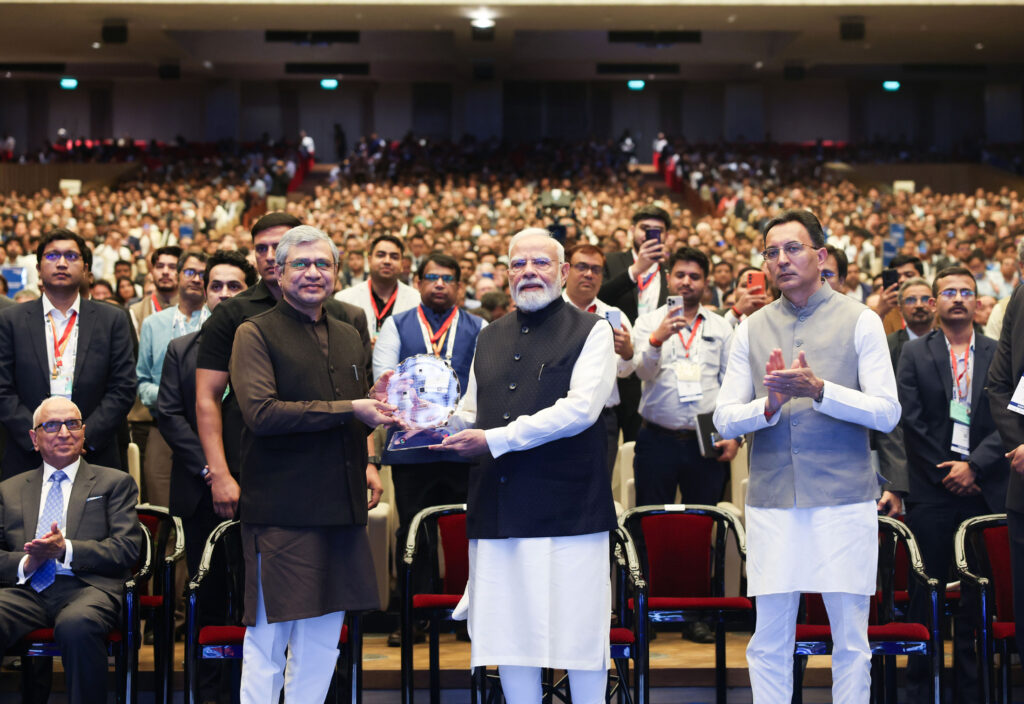
Addressing the gathering, the Prime Minister said India’s semiconductor ecosystem is expanding rapidly and creating new opportunities for innovation, investment and economic growth. He also welcomed international participants, saying their presence reflected growing global interest in India’s semiconductor ambitions.
This year’s SEMICON India is being held under the theme “Silicon to Systems: Building the Ecosystem,” reflecting the broader focus on developing capabilities across the semiconductor value chain rather than limiting the effort to chip fabrication alone. More than 600 exhibitors, around 300 international companies and delegations from more than 40 countries are participating in the event.
From Policy to Production
Prime Minister Modi traced India’s semiconductor journey from the launch of the Semicon India programme to the development of projects, pilot production and commercial manufacturing.
He said the country’s semiconductor programme has moved from policy discussions and project planning towards actual production, with chips from facilities in India beginning to reach customers. The Prime Minister also highlighted commercial production at new semiconductor facilities as evidence of the progress made in building a domestic ecosystem.
The government’s semiconductor programme has expanded significantly since its initial phase. On July 15, 2026, the Union Cabinet approved Semicon 2.0 with an outlay of ₹1,27,500 crore, covering areas including chip design, manufacturing, machines and materials, additional fabs, advanced packaging, research and development and talent development.
At SEMICON India, Modi highlighted the next stage of this expansion and said the government would continue supporting companies as they move towards more advanced technologies and products.
Focus on the Entire Semiconductor Ecosystem
The Prime Minister emphasized that building a semiconductor industry requires more than establishing fabrication plants. India also needs a strong network of companies involved in chip design, intellectual property, manufacturing equipment, chemicals, industrial gases, materials, packaging and testing.
He called for greater participation by fabless semiconductor companies and encouraged the development of intellectual property in India. He also highlighted the potential of silicon photonics, particularly as artificial intelligence and high-performance computing create new requirements for data movement and processing.
The government, he said, wants different parts of the ecosystem to develop together. Twelve semiconductor projects have already been approved under the first phase of India’s semiconductor programme, while the second phase is intended to deepen capabilities across the value chain.
AI Changing Semiconductor Requirements
Modi also spoke about the changing requirements of the global semiconductor industry due to the rapid growth of artificial intelligence.
He said the semiconductor industry is increasingly looking beyond transistor density towards complete system-level performance. Issues such as memory placement, heat management and integration of different components are becoming increasingly important as AI workloads grow.
The Prime Minister said India is preparing to respond to these emerging requirements and position itself as a reliable manufacturing destination for the global technology industry.
The government’s broader semiconductor strategy includes strengthening domestic capabilities in design, manufacturing, advanced packaging and related technologies. Semicon 2.0 has identified six strategic areas, including design, machines and materials, additional fabs, advanced packaging, research and development, and talent development.
Call for More Research in India
A major part of the Prime Minister’s address focused on research and innovation.
Modi urged young researchers working in India to contribute to advanced technology development and encouraged Indian researchers working abroad to participate in the country’s growing technology ecosystem.
He also called on industry leaders to increase research and development activities in India. According to the Prime Minister, stronger collaboration between companies, researchers and young engineers could support industrial growth while creating new opportunities for the country’s technology workforce.
The government has also been expanding initiatives aimed at developing semiconductor-related capabilities among engineering students. Modi highlighted the large pool of engineering talent available in India and said it represents an important resource for the semiconductor industry.
Energy Security for Semiconductor Manufacturing
The Prime Minister also connected semiconductor manufacturing with India’s expanding energy infrastructure.
Advanced semiconductor fabrication facilities and AI data centres require large quantities of reliable electricity. Continuous power availability is particularly important for manufacturing facilities where interruptions can affect highly controlled production processes.
Modi highlighted India’s expansion of renewable and nuclear energy capacity, including the country’s growing solar power base and plans involving nuclear energy and small modular reactors.
According to the Prime Minister, investments in the power sector will form an important part of the infrastructure required to support high-technology manufacturing and data-intensive industries.
India’s Growing Economic and Global Position
During his address, Modi also referred to developments in the wider Indian economy and infrastructure sector. He highlighted recent economic growth, improvements in connectivity and logistics, and international developments that he said demonstrated increasing confidence in India.
He specifically referred to the expansion of Dedicated Freight Corridor infrastructure and developments in India’s logistics network as part of the country’s broader industrial transformation.
The Prime Minister linked this infrastructure expansion with India’s ambitions in advanced manufacturing, noting that semiconductor production requires dependable logistics, utilities, industrial infrastructure and supply chains.
Building a Trusted Manufacturing Destination
The Prime Minister said global companies are looking for new and trusted manufacturing locations as supply chains evolve. He said India is preparing to meet this requirement by developing capabilities across semiconductor manufacturing and its supporting ecosystem.
The country’s semiconductor strategy is being implemented through policy support, financial incentives, infrastructure development and partnerships with global technology companies. SEMICON India 2026 provides a platform for these stakeholders to discuss investment, technology, manufacturing and supply-chain opportunities.
The event is jointly organized by the India Semiconductor Mission, Ministry of Electronics and Information Technology, and SEMI, and is designed to bring together stakeholders from across the global semiconductor and electronics industry.
Linking Technology with India’s Development Goals
Modi concluded his address by connecting India’s semiconductor ambitions with the country’s broader development objectives. He described the semiconductor industry as strategically important for modern sectors including artificial intelligence, telecommunications, electric mobility, defence and advanced manufacturing.
With Semicon 2.0 now providing the framework for the next phase, the government is seeking to expand India’s capabilities from chip design and assembly to fabrication, equipment, materials, advanced packaging and research.
The Prime Minister said India is taking steps to create conditions that can attract semiconductor investment and support the development of a wider domestic ecosystem.
SEMICON India 2026 will continue at Yashobhoomi through September 19, providing a platform for industry discussions, technology showcases, international participation and collaboration across the semiconductor value chain.