Ashwini Vaishnaw Launches Innovation Session and Makers Lab at MNIT Jaipur, Announces New Opportunities in Technology and Semiconductor Education

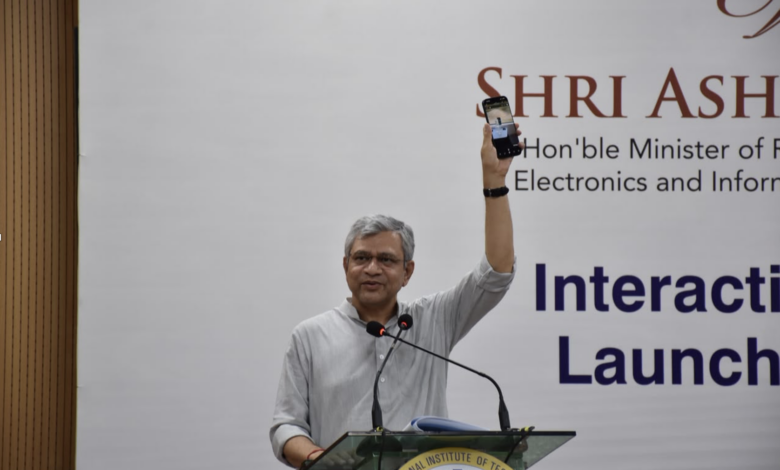
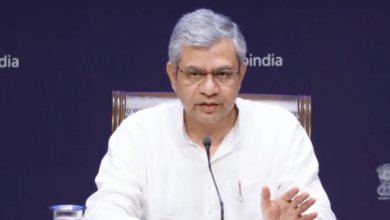
Union Minister for Railways, Electronics and Information Technology, Ashwini Vaishnaw, participated in an innovation-focused programme at Malaviya National Institute of Technology (MNIT), Jaipur, where he launched a Makers Lab and interacted with students, researchers and faculty members on emerging opportunities in technology, innovation and semiconductor manufacturing.
The event, held at the MNIT campus, brought together students, academicians and technology enthusiasts to discuss India’s rapidly evolving innovation ecosystem and the growing role of young engineers in shaping the country’s technological future. During the programme, Vaishnaw emphasized the importance of innovation-led growth and encouraged students to actively participate in research, product development and entrepreneurship.
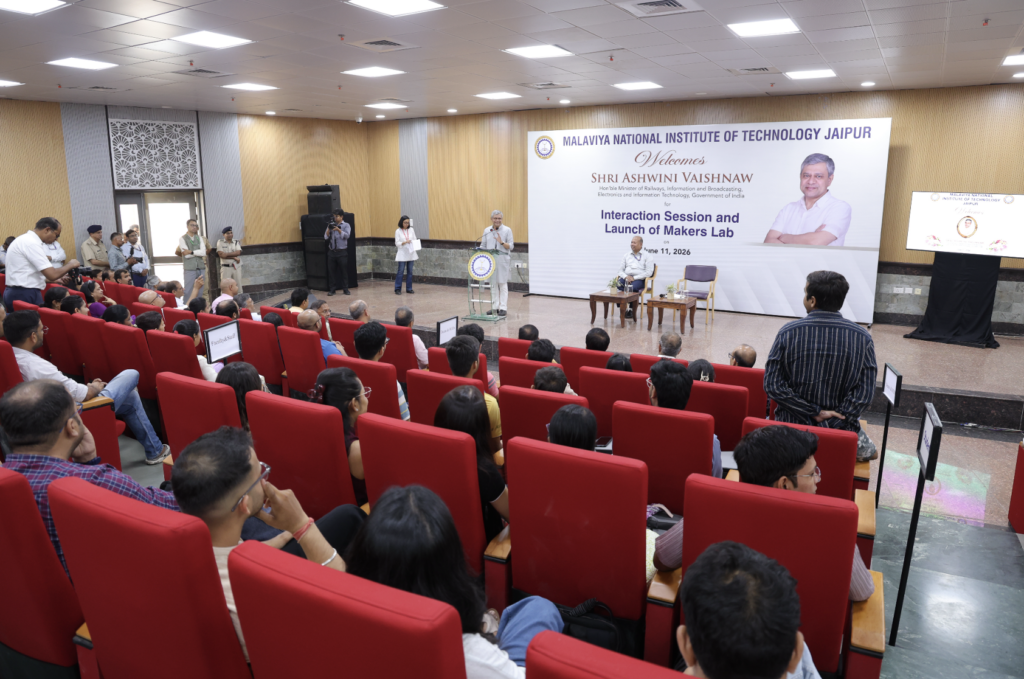
Addressing the gathering, the minister highlighted the transformative changes taking place in India’s electronics and semiconductor sectors. He said the country is creating a strong ecosystem for advanced manufacturing, chip design, artificial intelligence and digital technologies, opening up significant opportunities for the younger generation.
The launch of the Makers Lab is expected to provide students with a platform to convert ideas into practical solutions through hands-on experimentation, prototyping and innovation-driven projects. The facility will support interdisciplinary learning and help students gain exposure to cutting-edge technologies that are increasingly becoming critical for industry and research.
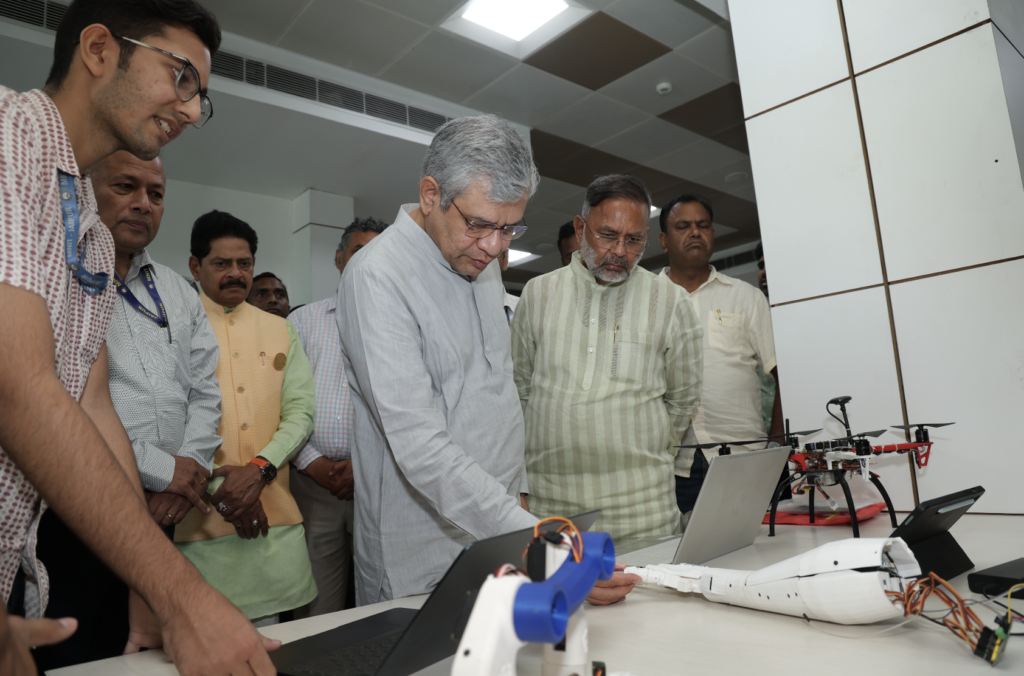
Vaishnaw stressed that institutions such as MNIT Jaipur have an important role to play in developing a highly skilled workforce capable of meeting the demands of the future technology economy. He noted that engineering education must evolve in line with global technological advancements and industry requirements.
The minister also outlined plans to strengthen technology-oriented academic programmes, particularly in emerging fields such as semiconductor technology, electronics manufacturing and advanced engineering. Such initiatives, he said, will help prepare students for careers in sectors that are expected to drive India’s economic growth in the coming decades.
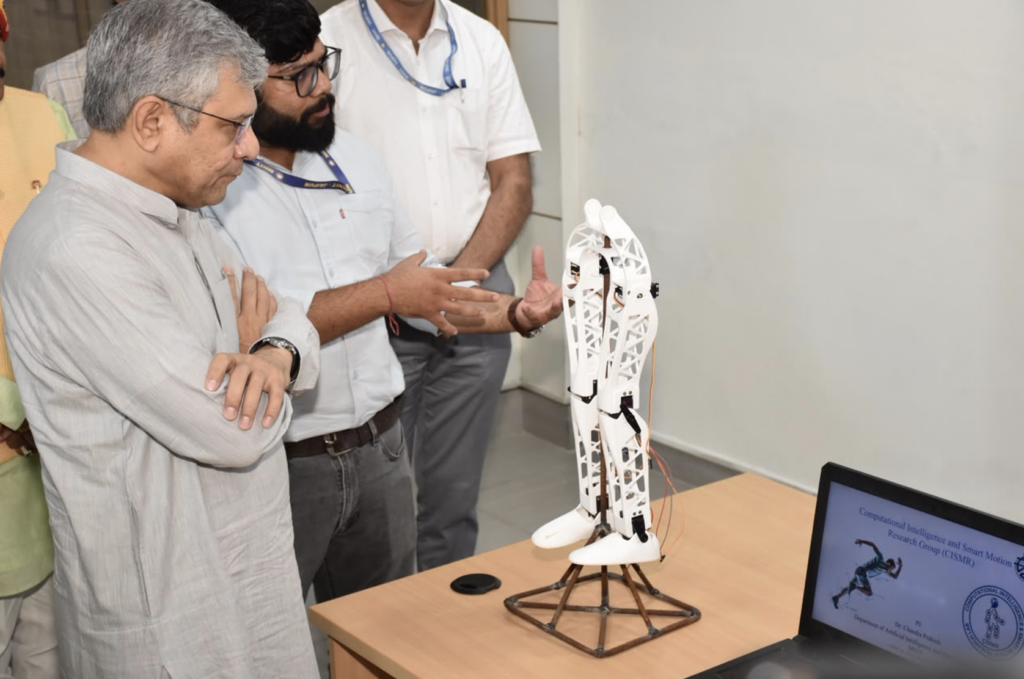
The programme served as a platform for interaction between policymakers and students, allowing participants to discuss innovation, startup development, research opportunities and the future of India’s technology sector. Students were encouraged to leverage government initiatives aimed at promoting innovation, digital transformation and manufacturing excellence.
The event reflected the government’s broader vision of creating a robust innovation ecosystem that connects academia, industry and research institutions. Experts believe that initiatives such as Makers Labs can play a crucial role in nurturing creativity and fostering a culture of problem-solving among students.
With India making substantial investments in electronics manufacturing and semiconductor development, educational institutions are increasingly being positioned as key partners in building a globally competitive talent pool. The launch of the Makers Lab at MNIT Jaipur is seen as another step in that direction, aimed at equipping students with practical skills and innovation capabilities.
The programme concluded with discussions on future collaborations, technological advancements and opportunities available to students in India’s growing digital and semiconductor economy, reinforcing the message that innovation and technology will remain central to the country’s development journey.