Indian Railways Approves ₹272 Crore Bypass Line Between Adra and Joychandipahar

Indian Railways has approved the construction of an 11-km bypass line between Adra end and Joychandipahar in the South Eastern Railway zone at an estimated cost of ₹272 crore, in a move aimed at increasing freight capacity, reducing congestion and improving the movement of industrial commodities along the strategically important corridor.
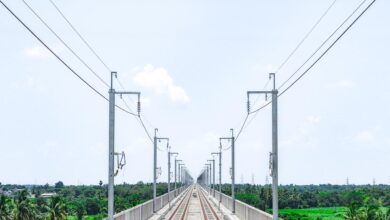
The proposed Adra–Joychandipahar–Sanka bypass is designed to provide better segregation of freight traffic and a bi-directional connection with the upcoming third railway line. The infrastructure is expected to create a smoother path for freight trains and reduce operational conflicts that currently affect train movement on the section.
The project is particularly significant in view of the anticipated growth in industrial traffic in the region. Indian Railways has projected movement of around 6.065 freight rakes per day through the corridor, while the bypass is expected to support additional traffic generated by major industrial and mining requirements.
Boost to Freight Movement
The bypass will support freight movement associated with the growing demand for iron ore and coal. SAIL has an estimated iron ore requirement of 23.40 million tonnes per annum (MTPA), while BCCL has projected a requirement of around 45 freight rakes per day.
With industrial activity and mineral transportation expected to increase, additional railway capacity will be critical to prevent bottlenecks and ensure reliable movement of bulk commodities.
The new line is expected to provide an alternative route for freight traffic, allowing trains to bypass congested portions of the existing network. This will also help improve the utilisation of railway infrastructure and enable additional freight traffic to be handled without putting excessive pressure on existing lines.
Tackling Congestion and Surface-Crossing Delays
One of the major objectives of the project is to eliminate operational bottlenecks and reduce surface-crossing detentions on the Adra–Joychandipahar section.
The existing railway network is operating at around 71 per cent utilisation, while freight train speeds are affected by conflicts involving surface crossings and other operational constraints. These delays can reduce the efficiency of freight movement and limit the ability of the corridor to accommodate additional traffic.
The bypass is expected to segregate traffic more effectively and reduce such conflicts, allowing freight trains to move with fewer interruptions.
The project will therefore not only add physical railway capacity but is also expected to improve the overall operational efficiency of the corridor.
Additional 8.88 MTPA Traffic Capacity
The proposed infrastructure is expected to facilitate additional traffic of around 8.88 MTPA after completion.
The current line capacity of the Joychandipahar–Adra section stands at around 47.50 per cent, and this is projected to rise to 56.45 per cent by 2028-29 as traffic requirements increase.
The bypass will provide the railway system with additional flexibility to handle this growth. By separating freight movements and creating a bi-directional connection to the planned third line, the project is expected to support the expansion of industrial traffic without creating additional pressure on existing railway operations.
Strengthening Energy, Mineral and Cement Corridor
The project forms part of the Energy, Mineral and Cement (EMC) Corridor identified for development by Indian Railways.
These corridors are designed to strengthen railway infrastructure for the movement of large volumes of bulk commodities, including coal, iron ore, cement and other industrial materials. Efficient rail transportation of such commodities is important for supporting the country’s power, steel, mining, construction and manufacturing sectors.
The Adra–Joychandipahar–Sanka bypass will strengthen this network by adding capacity at a strategically important location and creating smoother freight flows.
The improved infrastructure could also allow future growth in industrial traffic to translate into higher railway throughput without corresponding increases in congestion.
Strategic Freight Infrastructure Upgrade
The ₹272-crore project represents an important infrastructure upgrade for South Eastern Railway, particularly because the Adra region serves major industrial and mineral-producing areas.
The new bypass is expected to reduce delays, improve freight train operations and provide greater reliability for industries dependent on railway transportation. It will also help Indian Railways make more efficient use of its existing infrastructure while preparing the corridor for future demand.
With projected freight growth, increasing requirements from steel and coal industries, and the development of additional railway lines, the bypass is expected to play an important role in strengthening the region’s freight network.
Once completed, the 11-km Adra–Joychandipahar bypass will provide additional capacity, reduce surface-crossing conflicts and facilitate more efficient movement of freight trains. The project is consequently expected to contribute to a more reliable, less congested and higher-capacity freight corridor, supporting India’s expanding energy, mining, steel and industrial sectors.