Delhi Government Releases Draft EV Policy 2026-2030 to Boost Electric Mobility and Fight Air Pollution

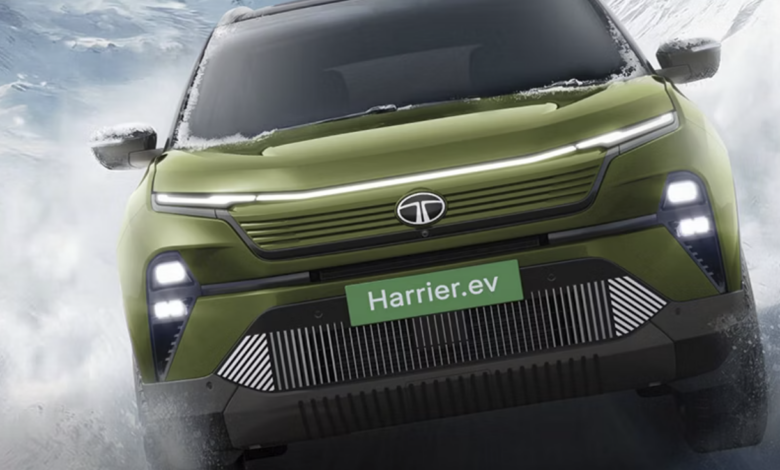
In a significant push towards sustainable transportation, the Government of National Capital Territory of Delhi (GNCTD) has released the Draft Delhi Electric Vehicle (EV) Policy 2026-2030. The four-year policy aims to aggressively curb vehicular emissions — the largest contributor to Delhi’s notorious air pollution — by promoting widespread adoption of pure electric vehicles, developing robust charging and battery swapping infrastructure, and establishing a comprehensive ecosystem for battery recycling and disposal.
The policy builds on the momentum of the previous EV framework and draws inspiration from Article 21 of the Indian Constitution (right to life and clean environment), Supreme Court directives, and recommendations from the Commission for Air Quality Management (CAQM). It will come into effect from the date of notification and remain in force until March 31, 2030, unless extended or modified.
Policy Objectives
The draft policy outlines five core objectives:
- Accelerate EV adoption across all major vehicle segments.
- Support a comprehensive public and private charging network.
- Build a robust EV supply chain, including battery recycling, servicing, and component recovery.
- Improve air quality by reducing dependence on internal combustion engine (ICE) vehicles.
- Ensure fiscal efficiency and transparent implementation.
The policy explicitly focuses on pure battery electric vehicles and excludes incentives for hybrid vehicles, signalling a clear preference for zero-emission technology.
Purchase Incentives for Different Vehicle Segments
One of the highlights of the policy is a year-wise, tapering incentive structure designed to front-load adoption. All incentives will be disbursed directly via DBT (Direct Benefit Transfer) to eligible buyers who are residents or registered entities in Delhi.
Electric Two-Wheelers
- Eligibility: Ex-factory price not exceeding ₹2.25 lakh.
- Incentive Structure:
- Year 1 (from notification): ₹10,000 per kWh, up to a maximum of ₹30,000.
- Year 2: ₹6,600 per kWh, up to ₹20,000.
- Year 3: ₹3,300 per kWh, up to ₹10,000.
Electric Three-Wheeler Auto-Rickshaws (L5M)
- Year 1: ₹50,000
- Year 2: ₹40,000
- Year 3: ₹30,000
These incentives apply to both new purchases and replacement of old CNG auto-rickshaws.
Electric Four-Wheeler Goods Vehicles (N1 Category Trucks)
- Year 1: ₹1,00,000
- Year 2: ₹75,000
- Year 3: ₹50,000
Additional provisions exist for scrapping old vehicles and retrofitting ICE vehicles with certified electric kits (₹50,000 grant proposed in related reports).
Scrapping Incentives to Phase Out Old Polluting Vehicles
To encourage replacement of high-emission vehicles, the policy introduces attractive scrapping-linked incentives:
- Electric Two-Wheeler: ₹10,000 upon scrapping BS-IV or older two-wheeler (within 6 months of new purchase).
- Electric Three-Wheeler (L5M): ₹25,000.
- Electric Car (Non-Transport): Up to ₹1,00,000 for vehicles with ex-factory price not exceeding ₹30 lakh (limited to the first 1,00,000 eligible applicants).
- Electric Four-Wheeler Goods Carrier (N1): ₹50,000.
Scrapping incentives are disbursed only upon submission of a valid Certificate of Deposit (CoD) from an authorised scrapping facility and apply solely to the owner of the scrapped vehicle.
Road Tax and Registration Fee Exemptions
All pure electric vehicles registered in Delhi during the policy period will enjoy:
- 100% exemption from road tax and registration fees for EVs priced up to ₹30 lakh (ex-showroom).
- For EVs above ₹30 lakh: No exemption.
- Strong Hybrid EVs: 50% exemption on road tax and registration fees till March 31, 2030 (subject to conditions).
This benefit provides substantial savings for buyers and is expected to make EVs significantly more affordable than their ICE counterparts.
Electrification Mandates for Fleets
The policy sets clear mandatory targets to electrify public and commercial fleets:
- School Buses: Minimum electric share of fleet — 10% by end of Year 2, 20% by end of Year 3, and 30% by March 31, 2030. Applies to owned, leased, or hired buses.
- Government and Institutional Vehicles: All new intra-state buses procured by Delhi Transport Corporation (DTC) and new trucks purchased by various departments must be electric (except emergency vehicles).
- Fleet Aggregators & Delivery Providers: Restrictions on induction of new diesel/petrol 4-wheeler LCVs and 2-wheelers after specified dates, with BS-VI emission norms required for limited cases.
Charging and Battery Swapping Infrastructure
Delhi Transco Limited (DTL) has been designated as the nodal agency for planning, coordination, and implementation of public EV charging and battery swapping stations. Key measures include:
- Single window clearance for faster approvals and power connections.
- All new civil infrastructure projects must be EV-charging ready.
- Urban local bodies (MCD, NDMC, DDA, etc.) to identify land parcels for charging and swapping stations.
- A High-Powered Committee under the Chief Secretary will oversee deployment.
- OEMs must set up at least three charging points for two/three-wheelers and two for four-wheelers at public stations.
The policy emphasises a “paperless” digital integration for all processes, including applications, approvals, and grievance redressal.
Battery Recycling and Waste Management
Recognising the growing challenge of battery waste, the policy mandates:
- Strict compliance with Battery Waste Management Rules, 2022, and Extended Producer Responsibility (EPR) by OEMs.
- Delhi Pollution Control Committee (DPCC) to facilitate battery collection centres under a Public-Private Partnership (PPP) model.
- Promotion of battery traceability using unique identifiers for refurbishment and second-life use.
- Sound environmental management of waste batteries.
Institutional Framework and EV Fund
- Delhi EV Apex Committee: Chaired by the Hon’ble Minister (Transport) to oversee implementation and management of the dedicated EV Fund.
- Nodal Departments: Transport Department (overall implementation), DTL (charging infrastructure), Environment Department (emission monitoring), and DPCC (battery waste).
- Sources of EV Fund include state budgetary allocations, central schemes, Air Ambience Fund, Environment Compensation Charge (ECC), PM E-DRIVE Scheme, cess, taxes, and other approved sources.
All operational expenses will be met from the EV Fund, with spending governed by delegation of financial powers.
Additional Measures
- Focus on education and awareness: The Education Department will run campaigns in schools and promote sustainable travel choices.
- Digital integration for seamless implementation.
- Support for women and transgender buyers (mentioned in some reports as targeted incentives).
- OEMs to stabilise EV costs and ensure timely supply.
Public Feedback Invited
The government has invited comments and suggestions from all stakeholders, including the general public, within 30 days of the draft’s release. Feedback can be submitted via email or post to the Transport Department.
Expected Impact
Officials believe the policy will significantly reduce vehicular emissions (two-wheelers and three-wheelers contribute disproportionately to pollution), improve air quality, create jobs in the EV ecosystem, and position Delhi as a leader in clean mobility in India. With a dedicated EV Fund and strong institutional oversight, the government aims for transparent and efficient implementation.
The draft policy is available on the official Transport Department website. Citizens and industry players are encouraged to review the document and provide constructive inputs to shape the final version.
This comprehensive framework marks Delhi’s continued commitment to combating air pollution through decisive action on electric mobility. As the capital battles some of the world’s worst air quality, the success of this policy could serve as a model for other states in India.