Rishikesh–Karnaprayag Rail Project on Fast Track, Targeting Completion by 2028–29: CPM Himansu Badoni
Escape Tunnels May Double as Roads, Enabling Multi-Modal Himalayan Connectivity

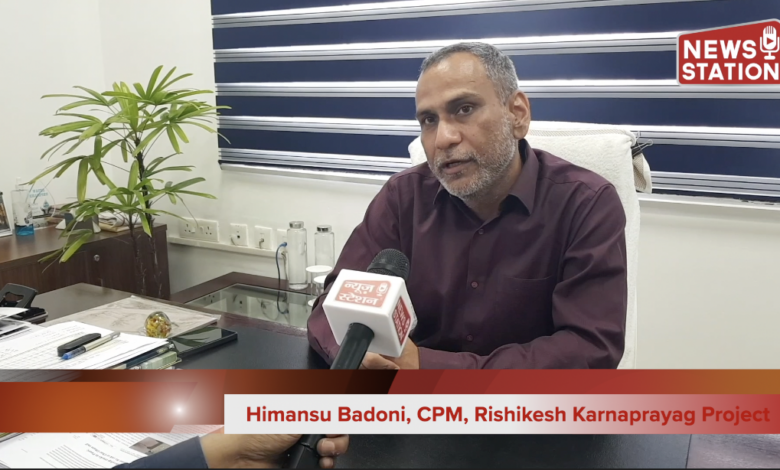
In an exclusive interview with Siddharatha, Editor, News Station, Himansu Badoni, Chief Project Manager (Civil), shares detailed insights into the progress, challenges, and future impact of the ambitious Rishikesh–Karnaprayag Broad Gauge Rail Line Project.
Q: Can you brief us about the scope and current status of the project?
Himansu Badoni:
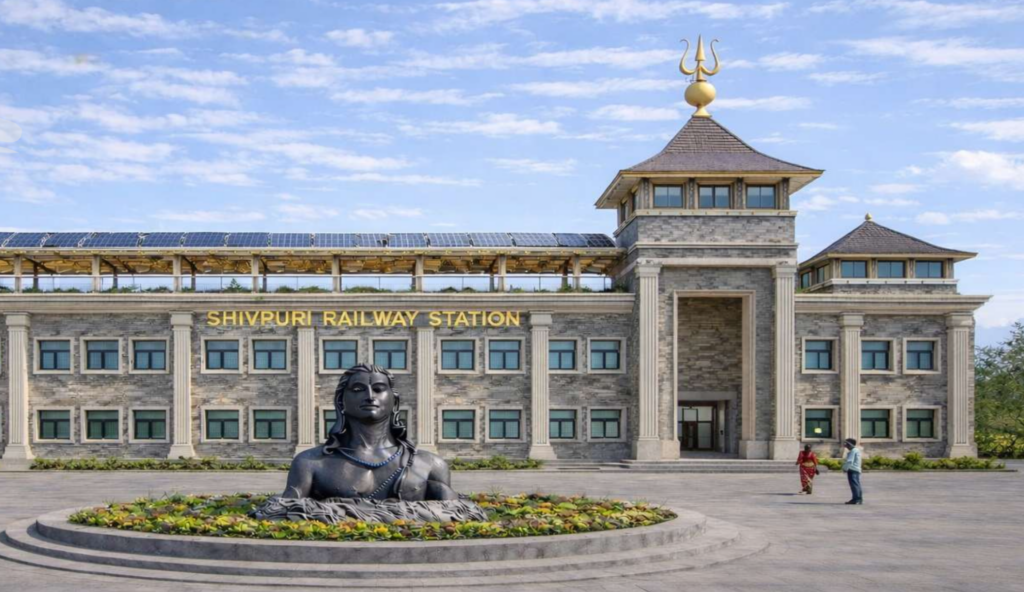
This is a 125-kilometre-long new broad gauge rail line project. Out of this, we have already commissioned the first block section of about 4 kilometres up to Yog Nagari Rishikesh station. The remaining 121 kilometres are under execution. As per our targets, the initial two block sections will be completed by June 2028, while the remaining sections are planned for completion by 2029. However, we are making all efforts to commission the entire project by 2028 itself. Work is progressing at a very rapid pace, as you may have seen in media reports.
Q: What makes this project technically unique?
Himansu Badoni:
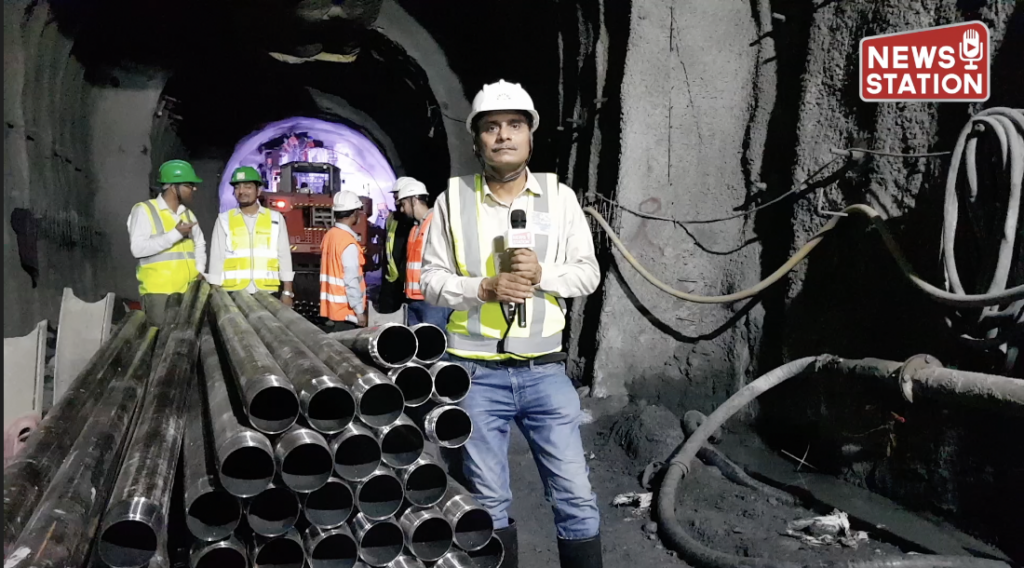
One of the most distinctive aspects is that nearly 83% of the route passes through tunnels. There are 16 main tunnels and 12 escape tunnels in the project. Out of the 16 main tunnels, breakthrough has already been achieved in 13. Final lining work is ongoing, and in completed sections, we have started laying ballastless tracks. Simultaneously, electro-mechanical works, overhead equipment installation, signalling and telecommunication, as well as station construction, are progressing across all locations.
Q: What are the critical milestones ahead?
Himansu Badoni:
The remaining three tunnels—T1, T5, and T14—are on the project’s critical path. We expect the breakthrough of T1 and T14 by the end of this year. T5, which is the longest NATM tunnel, is likely to achieve breakthrough by March–April next year. Importantly, we are not waiting for complete breakthroughs to begin finishing works; final lining has already started in patches alongside excavation.
Q: What is the progress on bridges and track laying?
Himansu Badoni:
There are 19 major bridges in the project, out of which eight have already been completed. The remaining bridges are expected to be finished by March 2027. Ballastless track laying has started in Tunnel T2, and five tunnels have already been handed over for track work. Additionally, flash butt welding machinery is arriving shortly, which will further accelerate track linking activities.
Q: Why is the project not being opened in phases?
Himansu Badoni:
This is a common question. The main challenge lies with Tunnel T1, which is about 10 kilometres long and located in a geologically fragile zone near the Main Boundary Thrust. The initial portion of this tunnel is extremely challenging, and around 650 metres of excavation is still pending. Until this critical section is completed, phased opening is not feasible.
Q: What kind of geological challenges have you faced?
Himansu Badoni:
The Himalayan region presents highly variable and fragile geology. We encounter different rock types like phyllite and quartzite, often interbedded, along with fault and shear zones. In some areas, we faced heavy water ingress—up to 4,000 litres per minute. Such situations require careful drainage planning to stabilise the tunnel face and ensure safe excavation without any collapse or damage.
Q: How has planning helped in overcoming these challenges?
Himansu Badoni:
Proper planning is crucial in such mega projects. Before finalising the alignment, we studied 52 different alignment options. We ensured that bridge heights were restricted to 50 metres and opted for extensive tunnelling due to fragile surface conditions. If alignment and design are done correctly with detailed investigations, most challenges can be anticipated and managed effectively.
Q: How significant is this project for the region?
Himansu Badoni:
This project is being seen as a game changer. Initially, many people doubted whether such long tunnels could be constructed in the Himalayas. Today, we have successfully executed some of India’s longest transportation tunnels, including the 14.58-kilometre-long Tunnel T8, which was completed ahead of schedule.
Q: Are there any innovations or policy impacts from this project?
Himansu Badoni:
Yes, several. Based on learnings from this project, the Ministry of Railways has decided to construct escape tunnels of the same size as main tunnels in future projects. There is also potential for using escape tunnels as road corridors, creating a multi-modal transportation network. This could be transformative for the Himalayan region, improving connectivity while preserving the environment.
Q: What about the workforce and expertise involved?
Himansu Badoni:
We initially relied on international experts, but today, our team consists largely of engineers from local institutions like NIT Srinagar and other regional colleges. These engineers, recruited through campus placements in 2017, have gained such expertise that they are now capable of guiding global standards in tunnelling.
Q: Any message on the broader impact of the project?
Himansu Badoni:
Apart from infrastructure development, we have also contributed significantly to local communities through social initiatives. The project is not just about rail connectivity—it is about sustainable development, technological advancement, and empowering local talent.
Conclusion:
The Rishikesh–Karnaprayag Rail Project stands as one of India’s most ambitious railway ventures in a challenging Himalayan terrain. With rapid progress, advanced engineering, and innovative planning, the project is poised to redefine connectivity and infrastructure development in the region.