DRI Seizes Over 24 Kg Narcotics in Kerala Under Operation Chakravyuh, Five Arrested

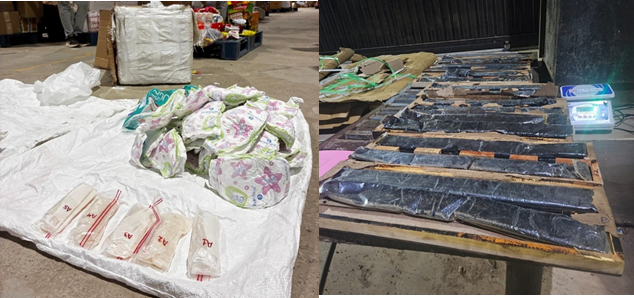
The Directorate of Revenue Intelligence (DRI) has intensified its crackdown on drug trafficking networks in Kerala under its ongoing anti-narcotics initiative, Operation Chakravyuh, resulting in the seizure of more than 24 kilograms of narcotic drugs and psychotropic substances and the arrest of five individuals.
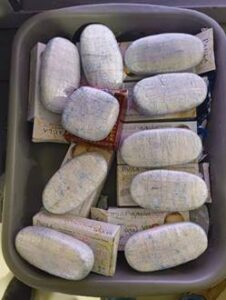
In a series of coordinated operations conducted by the DRI’s Cochin Unit across Kochi, Malappuram, and Thiruvananthapuram, officials intercepted substantial quantities of illegal narcotics, including methaqualone, methamphetamine, and hashish oil, which were allegedly intended for distribution and trafficking through domestic and international channels.
According to officials, the operations targeted multiple smuggling routes and methods used by drug traffickers. The contraband was detected in passenger baggage at airports, concealed within courier consignments, and hidden in outbound export cargo. The seizures highlight the increasingly sophisticated techniques being employed by organized criminal networks to transport prohibited substances.
The DRI said that all five accused, including key operatives believed to be associated with trafficking syndicates, have been arrested under the provisions of the Narcotic Drugs and Psychotropic Substances (NDPS) Act, 1985. Investigations are underway to identify other individuals involved in the supply chain and uncover the broader network behind the smuggling operations.
Officials described the seizures as a significant success in the agency’s ongoing efforts to curb the flow of illegal narcotics into and out of the country. They noted that Kerala’s strategic location, international connectivity, and active trade routes make it vulnerable to exploitation by drug traffickers seeking to move narcotic substances across borders.
The latest operation forms part of Operation Chakravyuh, a focused nationwide campaign aimed at dismantling organized drug trafficking networks and disrupting the movement of narcotics through airports, ports, courier channels, and cargo shipments. Intelligence-driven surveillance and coordinated enforcement actions have become key components of the operation.
DRI officials emphasized that the agency remains on high alert against emerging trafficking trends and continues to strengthen its intelligence-gathering capabilities. The use of advanced screening methods, risk assessment techniques, and inter-agency cooperation has enabled authorities to identify suspicious consignments and intercept narcotics before they reach illicit markets.
The success of the recent seizures adds to the DRI’s strong enforcement record in Kerala. During the last financial year, the Cochin Zonal Unit seized narcotic drugs and psychotropic substances valued at approximately ₹70.76 crore across the state. In connection with various NDPS cases, 21 individuals were arrested during the period, reflecting the scale of anti-drug operations undertaken by the agency.
Law enforcement agencies have repeatedly warned that the illegal drug trade poses a serious threat to public health, youth welfare, and national security. Synthetic drugs such as methamphetamine have become a growing concern due to their highly addictive nature and increasing demand in illicit markets. Authorities believe that sustained enforcement efforts are essential to disrupt trafficking networks and prevent the spread of narcotics.
Reaffirming its commitment to combating drug trafficking, the DRI stated that it will continue to pursue traffickers and strengthen enforcement measures across the country. The agency said its actions align with the Government of India’s vision of building a “Nasha Mukt Bharat” (Drug-Free India) by preventing the circulation of narcotic drugs and psychotropic substances.
Officials urged citizens to remain vigilant and cooperate with law enforcement agencies by reporting suspicious activities related to drug trafficking. Investigations into the latest seizures remain ongoing, and further arrests are expected as authorities work to identify additional links in the trafficking networks.