Asiatic Lion Population Surges to 891, India Reaffirms Commitment to Conservation on World Lion Day


India’s Asiatic lion population has recorded a remarkable rise over the past decade, increasing from 523 in 2015 to 891 in 2025, highlighting the country’s sustained efforts towards wildlife conservation and biodiversity protection.
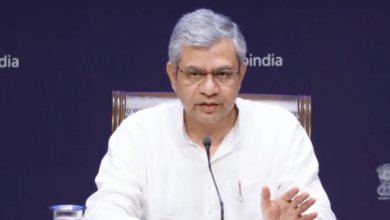
On World Lion Day 2026, Union Minister for Environment, Forest and Climate Change Bhupender Yadav hailed the significant growth in the Asiatic lion population and credited the achievement to the collective efforts of forest officials, conservationists, local communities and others working on the ground to protect the species.
In a social media post marking the occasion, Yadav said the steady increase in the lion population reflects India’s strong commitment to safeguarding its wildlife and natural heritage. He emphasised that the success of Asiatic lion conservation is the result of sustained dedication and coordinated action by various stakeholders.
The Minister reaffirmed the government’s resolve to protect the Asiatic lion and ensure that its population continues to thrive for generations to come. The rise from 523 lions in 2015 to 891 in 2025 represents an increase of more than 70 per cent over the decade.
Union Minister of State for Environment, Forest and Climate Change Kirti Vardhan Singh also highlighted India’s conservation efforts. In his message, he said that through protection of critical habitats, strengthened conservation programmes and promotion of human-wildlife coexistence, India has demonstrated that development and nature conservation can progress together.
The government’s long-term strategy for lion conservation received a major boost with the launch of Project Lion, announced by Prime Minister Narendra Modi on August 15, 2020. The initiative was conceived as a comprehensive programme for the long-term conservation of the Asiatic lion and its ecosystem.
Since the launch of Project Lion, the geographical range of the species has also expanded. The lion landscape, which covered around 30,000 square kilometres in 2020, has now increased to nearly 35,000 square kilometres.
Project Lion follows a landscape-level and holistic approach rather than focusing only on increasing the number of animals. The programme incorporates habitat improvement, systematic disease surveillance, veterinary care, scientific population monitoring and technology-based conservation interventions.
The initiative also places emphasis on protecting biodiversity across the wider lion landscape. Measures include strengthening habitat management, monitoring ecological conditions and deploying modern technologies to improve wildlife tracking and management.
Community participation is another important component of the conservation strategy. The approach seeks to promote coexistence between people and wildlife while ensuring that local communities are involved in and benefit from conservation efforts.
The growth in the Asiatic lion population is particularly significant because the species has a highly restricted natural range. The lion population is primarily concentrated in and around the Gir landscape of Gujarat, making habitat protection, disease prevention and scientific management crucial for its long-term survival.
India’s conservation model increasingly combines ecological protection with community participation and scientific management. The government has stressed that protecting the lion also means protecting the broader ecosystem on which the species and surrounding communities depend.
As India marks World Lion Day 2026, the rise in Asiatic lion numbers from 523 to 891 stands as an important milestone in the country’s wildlife conservation journey. The government has reiterated that sustained conservation action, stronger habitat protection, scientific monitoring and community involvement will remain central to ensuring that the Asiatic lion continues to thrive in the wild.