Ashwini Vaishnaw Inspects Hydrogen Train Project and Modern Facilities at Shakur Basti Depot
Ashwini Vaishnaw examines state-of-the-art maintenance systems, conducts World Environment Day plantation drive, and highlights Indian Railways’ journey toward net-zero emissions.

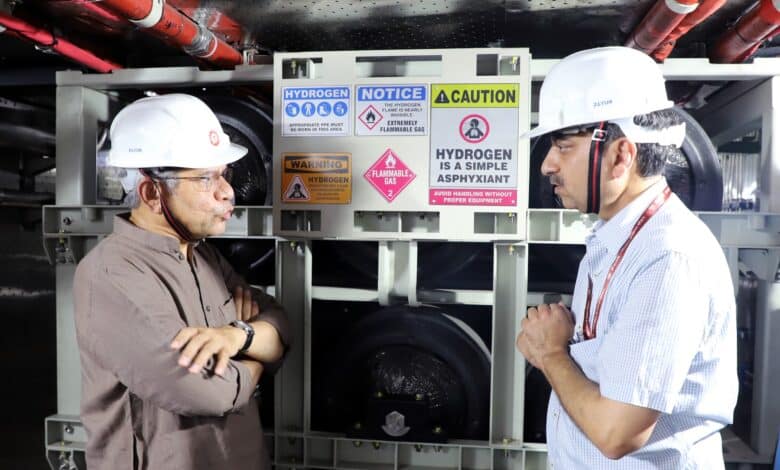
Railways Minister Ashwini Vaishnaw conducted a comprehensive inspection of the Tilak Bridge–Shakur Basti railway section under Northern Railway, reviewing key infrastructure projects, advanced maintenance facilities, and the progress of India’s ambitious hydrogen train initiative. The visit also coincided with World Environment Day, during which the minister reiterated Indian Railways’ commitment to sustainable and environmentally friendly transportation.
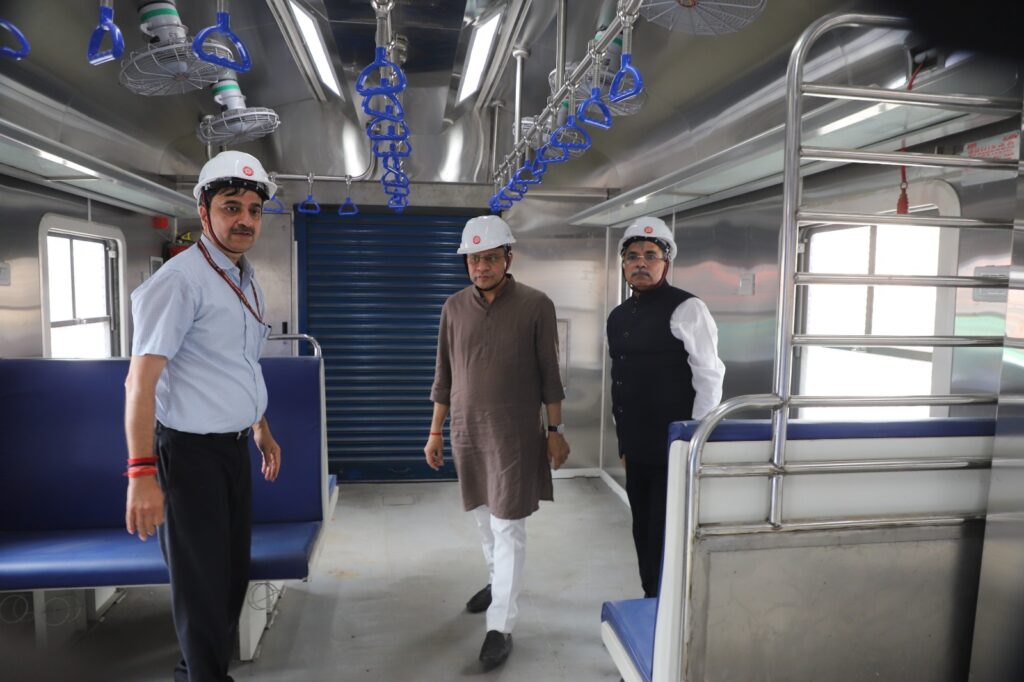
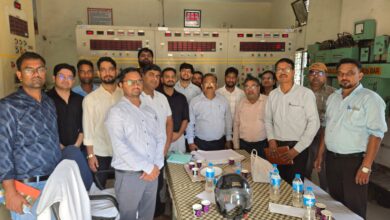
During the inspection, Vaishnaw held a detailed review meeting with senior Northern Railway officials and assessed the status of various development projects underway in the section. The minister examined ongoing modernization efforts aimed at improving operational efficiency, safety, and maintenance capabilities across the railway network.
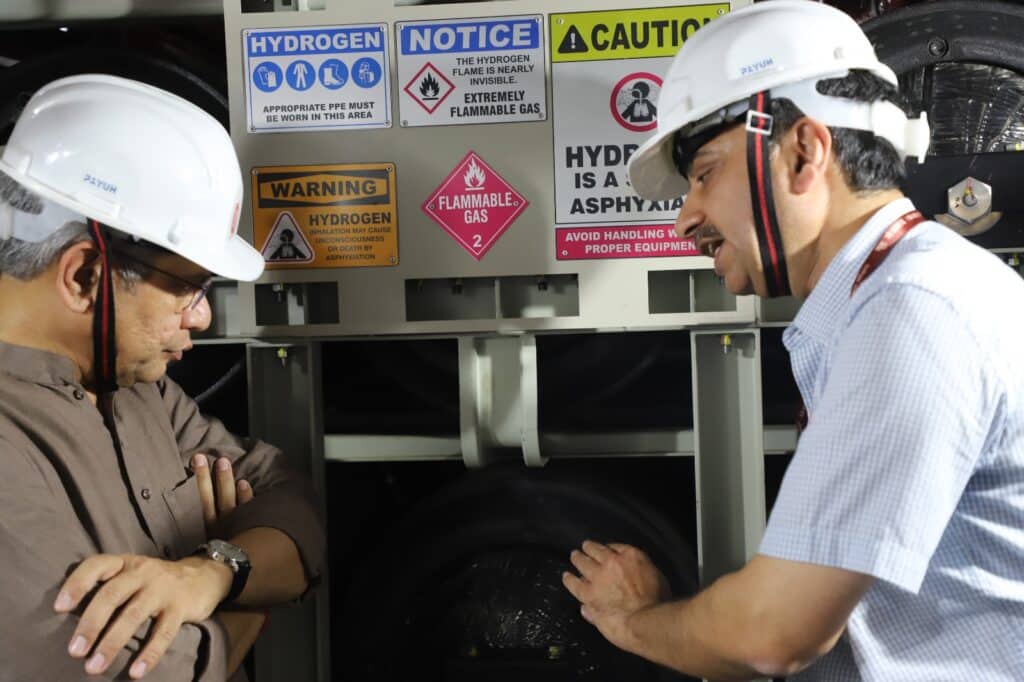
A major focus of the visit was the inspection of advanced maintenance infrastructure at the Shakur Basti Depot, one of Northern Railway’s important maintenance facilities. The minister closely reviewed the state-of-the-art Retractable Overhead Equipment (OHE) system installed at the depot. The technology enables overhead electric wires to be safely moved or retracted within maintenance sheds, allowing engineers and technical staff to carry out repair and maintenance work on locomotives and coaches more efficiently and safely.
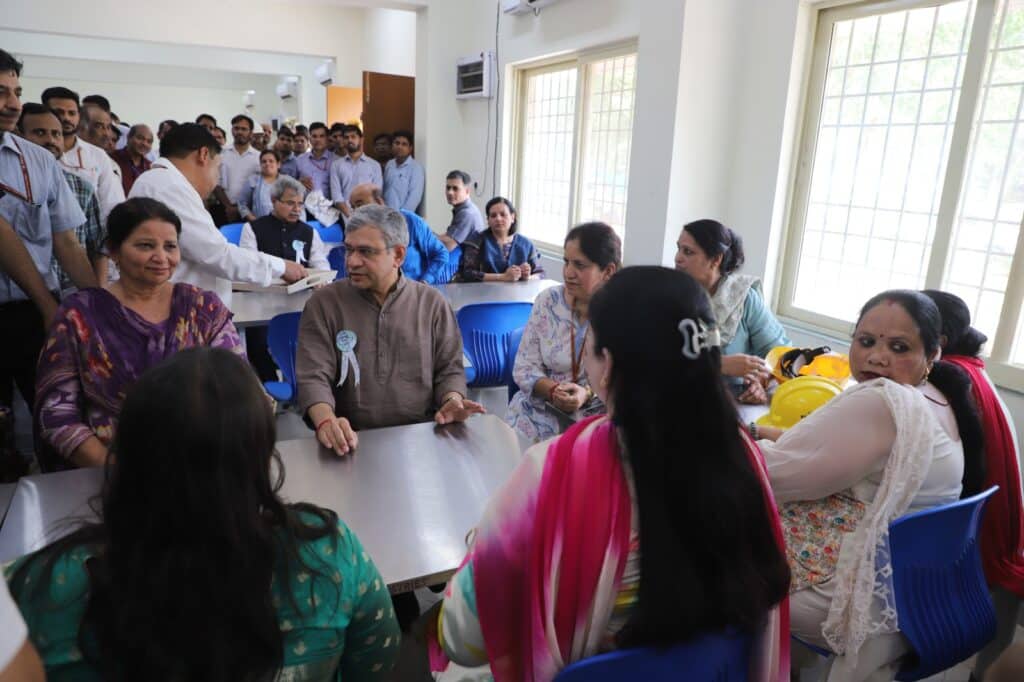
Officials briefed the minister on how the retractable OHE system helps reduce maintenance time while enhancing worker safety and operational productivity. Vaishnaw emphasized the importance of adopting modern technologies across railway workshops and depots to ensure faster turnaround times and improved reliability of train services.
The minister also inspected the bogie pit and bogie lifting facilities at the depot. These facilities are used for the maintenance and replacement of train bogies, which are critical components supporting railway coaches and locomotives. During the inspection, he reviewed ground-level operations and directed officials to further improve efficiency and streamline maintenance procedures.
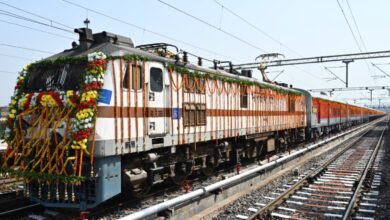
One of the key highlights of the visit was the inspection of the hydrogen train project, which is being developed as part of Indian Railways’ broader efforts to introduce cleaner and greener transportation technologies. Vaishnaw reviewed the progress of the hydrogen-powered train and discussed various technical aspects of the project with railway engineers and officials.
Hydrogen-powered trains are considered a significant step toward reducing carbon emissions from rail transportation. Unlike conventional diesel trains, hydrogen trains produce minimal emissions, with water vapor being the primary byproduct. The technology is expected to play a crucial role in helping Indian Railways achieve its long-term sustainability goals and reduce its environmental footprint.
Speaking during the visit, officials highlighted that the hydrogen train initiative represents a major advancement in green railway technology and aligns with India’s broader climate commitments. The project is expected to contribute significantly to the modernization of the national rail network while promoting environmentally responsible transportation.
On the occasion of World Environment Day, the Railways Minister participated in a tree plantation programme organized within the depot premises. He planted saplings and reaffirmed Indian Railways’ commitment to environmental conservation and sustainable development.
Vaishnaw noted that Indian Railways is moving rapidly toward achieving 100 percent electrification of its network, a milestone that is expected to significantly reduce dependence on fossil fuels and lower carbon emissions. He emphasized that the railways’ electrification drive is a key component of the country’s efforts to achieve net-zero carbon emissions and build a greener transportation ecosystem.
The minister stated that sustainability initiatives such as electrification, renewable energy adoption, energy-efficient operations, and the introduction of hydrogen-powered trains are transforming Indian Railways into one of the world’s most environmentally responsible transportation systems.
Senior officials, including the General Manager of Northern Railway, the Divisional Railway Manager of Delhi Division, and other officers from Railway Board and Northern Railway, accompanied the minister during the inspection. The visit underscored the government’s focus on modernizing railway infrastructure while advancing green technologies and sustainable mobility solutions across the country.