Indian Railways Approves ₹162.57 Crore Electric Traction Upgrade on Bengaluru–Tumakuru Rail Corridor

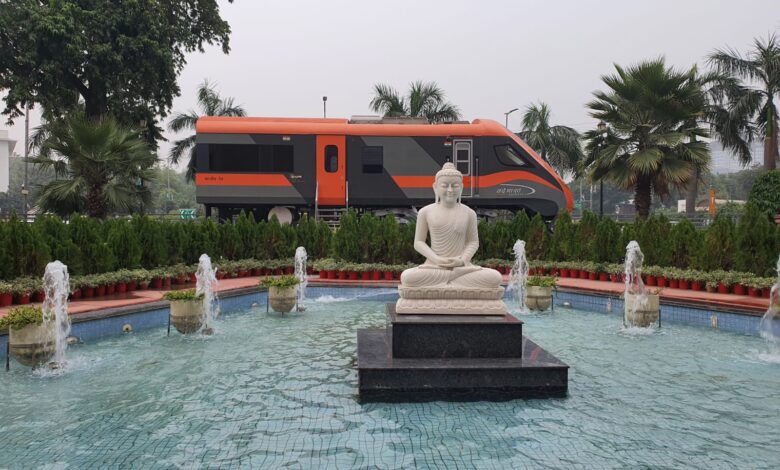
In a major infrastructure development aimed at enhancing rail capacity and operational efficiency, Indian Railways has sanctioned the upgradation of the electric traction system on the Bengaluru–Tumakuru section of South Western Railway. The project, approved at an estimated cost of ₹162.57 crore, is expected to significantly strengthen train operations on one of Karnataka’s busiest and most strategically important rail corridors.
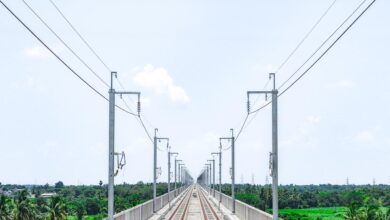
Under the project, the existing 1×25 kV electric traction system will be upgraded to a modern 2×25 kV electric traction system across a stretch of 120 Track Kilometres (TKM). The initiative forms part of Indian Railways’ broader efforts to modernise its electrical infrastructure and increase carrying capacity on heavily utilized railway routes across the country.
The Bengaluru–Tumakuru section is a key component of the Highly Utilized Network (HUN) Route-10, which forms part of the extensive Pune–Hubballi–Chikjajur–Birur–Tumakuru–Bengaluru–Salem–Kanniyakumari rail corridor. This route connects major industrial, commercial and economic centres across southern and western India and handles substantial passenger and freight traffic throughout the year.
Railway officials said the introduction of the advanced 2×25 kV traction system will provide a stronger and more reliable power supply for train operations. The upgraded electrical infrastructure will enable the corridor to handle increasing traffic demand while ensuring smoother and more efficient movement of trains.
The Bengaluru metropolitan region has witnessed rapid urban expansion and economic growth over the past decade, leading to a significant increase in rail traffic. The Bengaluru–Tumakuru section serves as a critical transport link for commuters, long-distance passengers and freight operators. As traffic volumes continue to rise, enhancing the power supply system has become essential for maintaining operational efficiency and supporting future growth.
The 2×25 kV traction system is regarded as a technologically superior solution compared to the conventional 1×25 kV system. It offers improved voltage regulation, reduces transmission losses and ensures better power distribution along the railway network. These advantages help railways operate heavier freight trains, longer passenger services and higher traffic densities without compromising performance.
According to railway experts, the upgraded traction system will improve the overall reliability of train operations by reducing electrical constraints and enhancing energy efficiency. The enhanced system will also support future capacity augmentation initiatives and facilitate seamless integration of additional train services on the route.
One of the major benefits of the project will be its contribution towards decongesting a critical rail corridor serving Bengaluru and adjoining districts. The strengthened traction infrastructure will allow Indian Railways to accommodate more trains and improve scheduling flexibility, helping to ease congestion on this busy route.
The project is also expected to provide a significant boost to freight transportation. With improved traction capabilities, freight trains carrying industrial goods, raw materials and agricultural products will be able to move more efficiently, supporting logistics operations and regional economic development. Enhanced freight capacity is expected to benefit industries located along the corridor and strengthen supply chains across Karnataka and neighbouring states.
In addition to freight benefits, passengers are likely to experience improved reliability and smoother train operations. The upgraded system will help support longer and heavier passenger trains, enabling Indian Railways to meet growing travel demand in the region.
The sanction of the Bengaluru–Tumakuru traction upgradation project reflects Indian Railways’ continued focus on building a modern, future-ready transportation network. The national transporter has been investing heavily in electrification, capacity enhancement and technology-driven infrastructure projects to improve efficiency, sustainability and service quality across its network.
Once completed, the ₹162.57 crore project is expected to enhance operational performance, increase route capacity and strengthen the railway system’s ability to handle future traffic growth. The initiative will play a vital role in supporting passenger mobility, freight movement and economic activity across Karnataka and southern India, while reinforcing Indian Railways’ commitment to delivering a more efficient and reliable rail network.