Exclusive Interview: “TDRP Marks a Thoughtful Shift in Trademark Dispute Resolution”
Sunil Kumar Batra (Consulting Editor, newsstation.media) in conversation with Haridutt Mishra, Partner at AARYAVARTT and President of Track Second, a leading mediation and ADR platform.

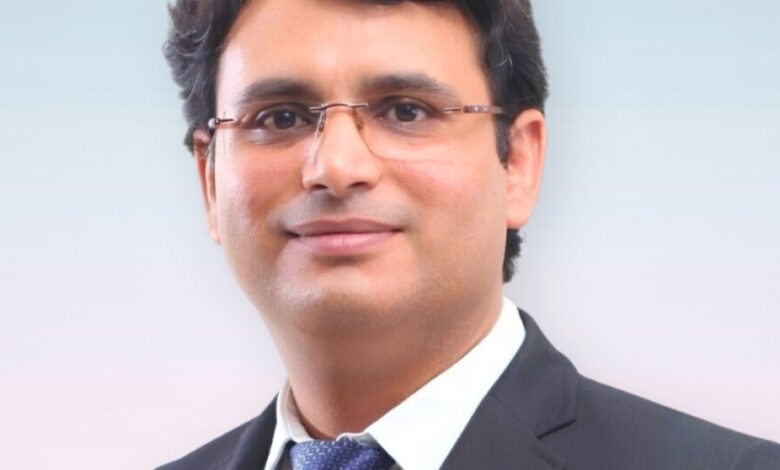
Sunil Kumar Batra: Haridutt ji, thank you for joining us. You have described the launch of the Trademark Dispute Resolution Portal (TDRP) by Track Second as “a thoughtful development” in trademark dispute resolution practices in India. What exactly is this development, and how does it differ from traditional litigation methods?
Haridutt Mishra: Thank you, Sunil. The most significant thoughtful development in the Indian trademark dispute landscape is indeed the introduction of the Trademark Dispute Resolution Portal (TDRP) by Track Second.
For decades, parties have depended heavily on traditional proceedings before the Trademark Registry and the IP Office — including oppositions, rectifications, and full-scale litigation. These processes suffer from severe procedural bottlenecks: limited hearing capacity, widely spaced hearing dates, frequent adjournments, and prolonged timelines that often stretch into many years.
TDRP offers a refined, mediation-centric alternative. Rooted in the philosophy of Track Second — which blends modern mediation techniques with ancient Indian wisdom of dialogue and empathy — it shifts the focus from confrontation to collaboration. Instead of waiting months for the next hearing date, parties can now resolve disputes promptly, privately, and with commercial practicality at the forefront. It turns conflict into connection through structured, empathetic dialogue.
Sunil Kumar Batra: How might this new platform impact the time and cost involved for businesses, especially small and medium enterprises (SMEs)?
Haridutt Mishra: The impact is direct and highly transformative, particularly for SMEs. Traditional opposition and rectification proceedings before the Registry often drag on for several years due to backlogs and repeated adjournments. For small businesses, such delays can be crippling — they may be unable to launch new products, expand into new markets, or even attract investors while their trademark rights remain uncertain.
TDRP changes this completely. Mediation sessions can be scheduled quickly and concluded within a reasonable and predictable timeframe. By reducing procedural steps and minimising the need for prolonged legal representation, it substantially lowers the overall financial burden. SMEs gain faster clarity, allowing them to move ahead confidently with brand development and business strategy. In short, TDRP replaces years of uncertainty with an efficient, solution-oriented path that respects both time and resources.
Sunil Kumar Batra: Does TDRP involve any technological advancements such as AI-assisted mediation, blockchain for evidence tracking, or online dispute resolution (ODR) platforms? What are the key benefits and potential challenges?
Haridutt Mishra: TDRP reflects the broader global shift towards efficient online dispute resolution (ODR). While it does not currently incorporate advanced technologies like AI-based decision-making or blockchain for evidence management, it strongly leverages digital tools to simplify participation and streamline the entire process.
Importantly, Track Second provides a truly blended model. Parties can opt for fully online mediation or choose from our network of more than 1,500 offline venues spread across the country. This hybrid approach ensures both digital convenience and physical accessibility.
Key Benefits:
- Participants can join sessions from anywhere, removing geographical and logistical barriers.
- Over 1,500 venues offer comfortable in-person options for those who prefer face-to-face dialogue.
- Documentation, communication, and scheduling become far more organised and efficient.
- Confidentiality is maintained through secure digital platforms.
- The long wait for IP Office hearing dates is completely eliminated.
Potential Challenges:
- Some participants may need basic digital comfort.
- Reliable internet connectivity is essential for online sessions.
- A section of stakeholders may still prefer the familiarity of traditional physical hearings.
Overall, the advantages of this modern, flexible mediation forum far outweigh the minor challenges and significantly enhance accessibility and efficiency in resolving trademark disputes.
Sunil Kumar Batra: In what ways could TDRP affect the balance of power between large corporations and smaller brand owners in trademark conflicts?
Haridutt Mishra: Traditionally, the lengthy nature of Registry proceedings has disproportionately burdened smaller brand owners. Large corporations often have deeper pockets and in-house legal teams to endure prolonged delays, while SMEs struggle with ongoing costs and uncertainty.
TDRP creates a more balanced playing field. Mediation does not eliminate costs entirely, but it redirects resources towards meaningful dialogue rather than endless procedural waiting. It shifts the emphasis from endurance to constructive engagement. Both sides participate on equal terms in a guided, neutral process that prioritises transparency, fairness, and commercial sensibility.
For smaller businesses, this means they can seek resolution without being crushed by extended timelines. For larger corporations, it offers an efficient route to practical, business-friendly outcomes without unnecessary escalation. Ultimately, TDRP fosters a healthier trademark ecosystem where resources are invested in solutions, not delays.
Sunil Kumar Batra: Finally, what are the potential global implications of TDRP, especially for cross-border trademark disputes and the harmonisation of international IP laws?
Haridutt Mishra: The launch of TDRP aligns well with global efforts to make IP dispute resolution faster and more predictable. As India continues to see a steady rise in international trademark filings — particularly through the Madrid System — foreign applicants and brand owners increasingly expect efficient domestic processes.
Delays in opposition or rectification proceedings create uncertainty not just locally but across entire global brand portfolios. By enabling swift, commercially pragmatic settlements, TDRP reduces friction for international businesses operating in interconnected markets. It enhances confidence in India as a favourable jurisdiction for brand protection and expansion.
Moreover, it signals India’s readiness to complement the traditional role of the Trademark Registry with timely, accessible, and business-aligned dispute resolution pathways. This development can contribute meaningfully to smoother cross-border operations and greater harmonisation in handling international IP conflicts.
Sunil Kumar Batra: Thank you, Haridutt ji, for this insightful conversation. TDRP indeed appears to be a welcome and thoughtful step forward for India’s IP ecosystem.
Haridutt Mishra: Thank you, Sunil. I believe initiatives like TDRP will strengthen trust in our dispute resolution mechanisms and support the growth ambitions of businesses of all sizes.
Haridutt Mishra is an accomplished Advocate, Mediator, and Arbitrator with deep expertise in Intellectual Property and Information Technology Law. He is a Partner at AARYAVARTT and leads Track Second, founded in 2017, which blends modern mediation practices with ancient wisdom of dialogue and empathy, inspired by Track II diplomacy.For more information on TDRP, visit: tracksecond.com