Second Giant TBM Cutterhead Lowered for Mumbai Bullet Train Tunnel
13.6-metre-wide Tunnel Boring Machine to excavate crucial 21-km underground section between Sawli and Vikhroli for the Mumbai-Ahmedabad Bullet Train Project.

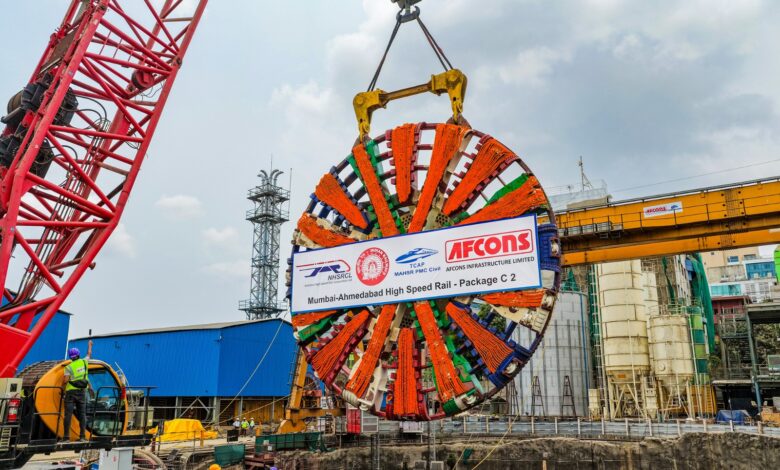
A major milestone has been achieved in India’s ambitious Mumbai-Ahmedabad Bullet Train Project with the lowering of the cutterhead for the second Tunnel Boring Machine (TBM) at Sawli (Ghansoli) near Mumbai in Maharashtra. The massive engineering component will be used for the construction of the 21-kilometre underground tunnel section of the country’s first high-speed rail corridor.
Officials said the cutterhead, which measures 13.6 metres in diameter and weighs nearly 350 tonnes, marks the final stage in the primary assembly of the TBM’s main shield. The second TBM will begin its tunnelling journey from Sawli (Ghansoli) towards Vikhroli, forming a critical part of the underground alignment of the bullet train project near Mumbai.
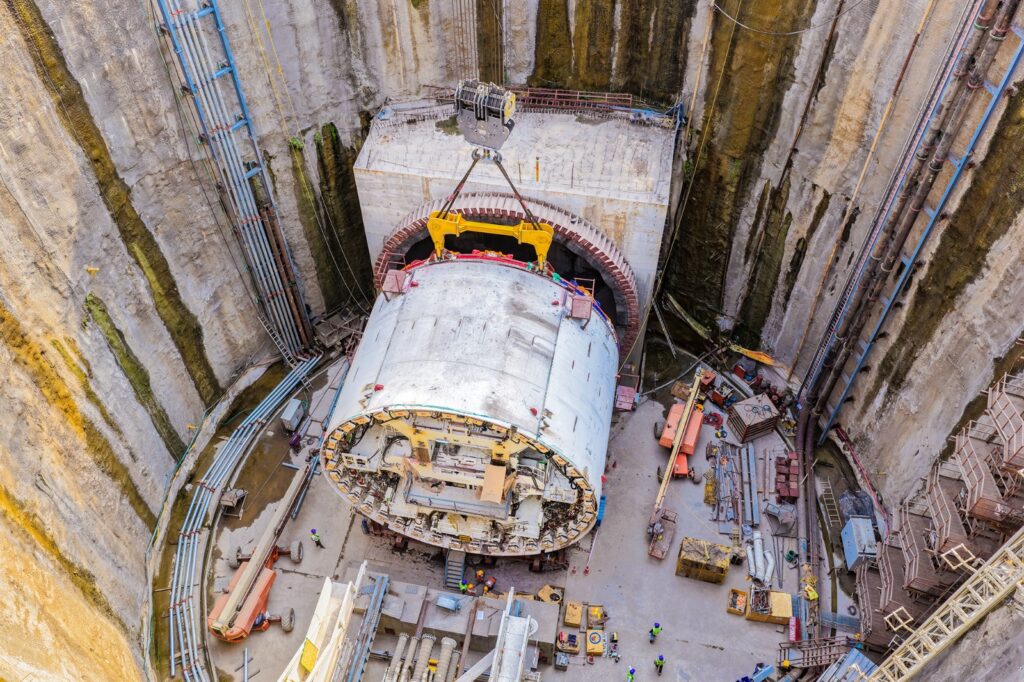
The development comes just days after the cutterhead for the first TBM was lowered at Vikhroli earlier this week. Both giant tunnelling machines are now set to undergo final assembly, testing, and commissioning trials before starting excavation work in the first week of July 2026.
The underground tunnel section is considered one of the most technically challenging portions of the Mumbai-Ahmedabad Bullet Train corridor. The project involves the use of advanced Mix Shield and Slurry-based Tunnel Boring Machines specially designed for complex geological conditions and safe tunnelling operations in densely populated urban regions.
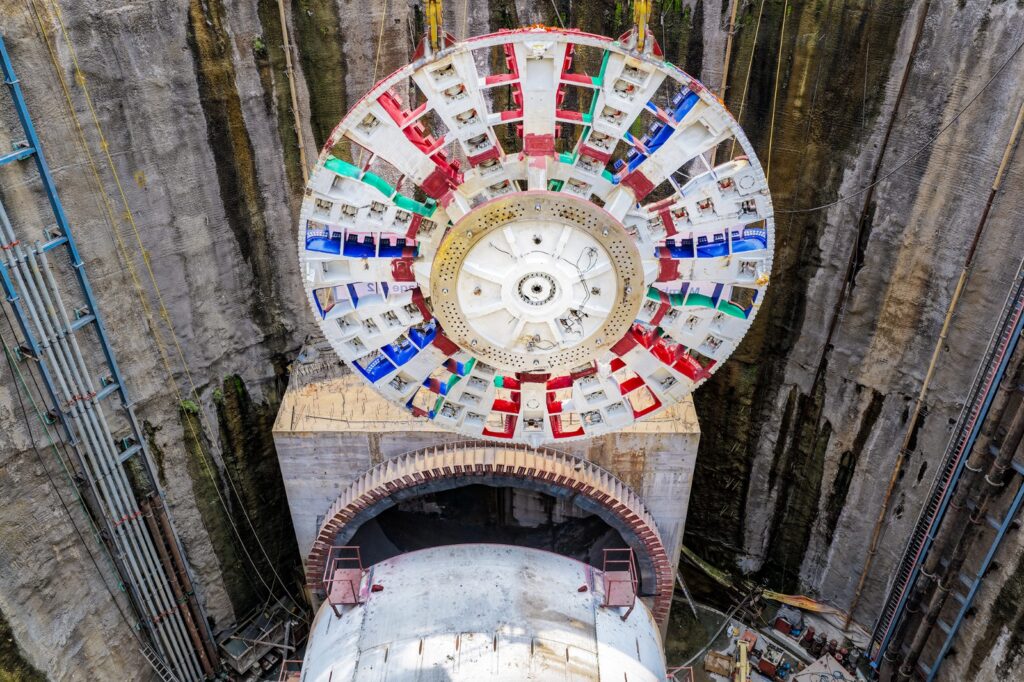
According to project officials, the cutterhead has been engineered to excavate a single large tunnel capable of accommodating both the up and down high-speed rail lines within the same underground passage. The enormous structure is equipped with 84 cutter discs, 124 scrapers, and 16 bucket lips that help cut through soil and rock while efficiently removing excavated material during the tunnelling process.
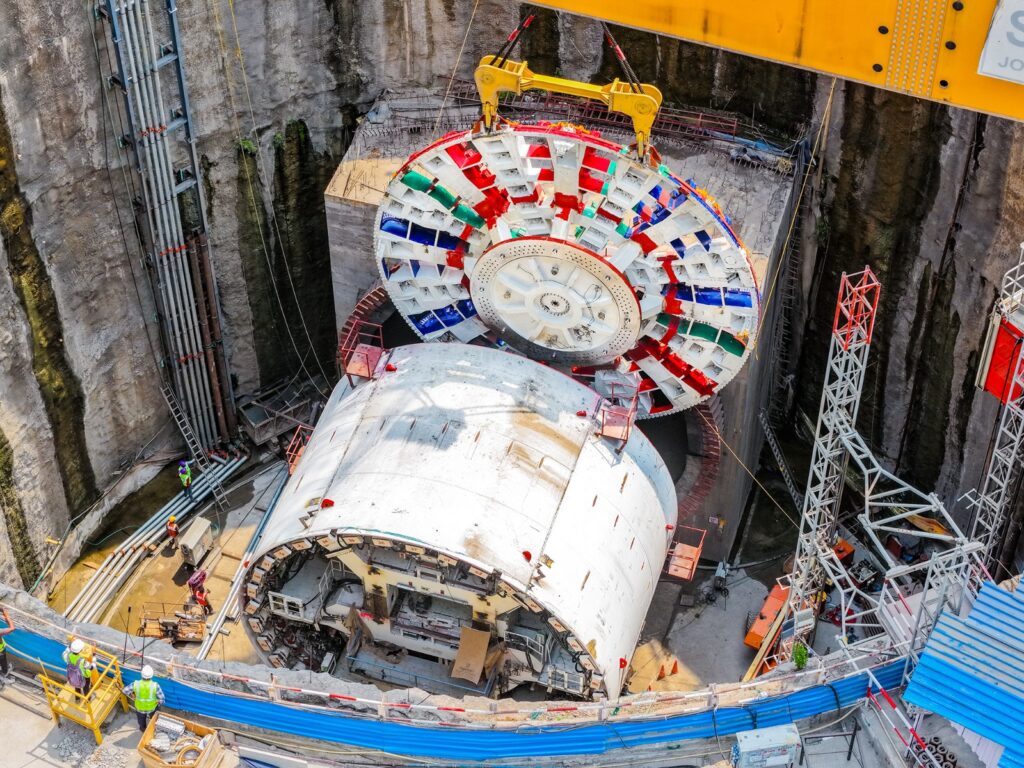
The two TBMs deployed for the project are among the largest ever used in India for railway infrastructure construction. One machine weighs around 3,080 tonnes, while the second TBM has a total weight of approximately 3,184 tonnes. Each machine stretches over 95 metres in length and includes several sophisticated components required for modern tunnel excavation.
Key parts of the TBMs include the cutter wheel, main bearing, jaw crusher, erector, main shield, tail shield, and four specialised gantries that support tunnelling activities. These systems work together to ensure controlled and safe excavation beneath urban areas while maintaining precision and structural stability.
Project authorities stated that the TBMs are capable of operating at a maximum cutterhead speed of four revolutions per minute (RPM). The machines can achieve a maximum excavation rate of 49 millimetres per minute, allowing for gradual and highly controlled tunnelling operations. Engineers believe the advanced technology will help maintain safety standards while ensuring steady progress in one of the most demanding infrastructure projects currently underway in India.
The underground tunnel section forms a crucial part of the larger Mumbai-Ahmedabad Bullet Train Project, which is being developed to introduce high-speed rail travel in India. The corridor is expected to significantly reduce travel time between Mumbai and Ahmedabad while boosting economic activity, regional connectivity, and technological advancement in the railway sector.
The project has already witnessed rapid progress across multiple construction sites, including bridge works, viaduct construction, station development, and track infrastructure. The use of advanced Japanese Shinkansen technology and world-class engineering systems is seen as a major leap forward for India’s transport infrastructure capabilities.
Officials involved in the project said the successful lowering of both TBM cutterheads marks an important engineering achievement and signals the beginning of the next phase of underground tunnelling work near Mumbai. The tunnelling operations are expected to play a key role in connecting critical sections of the corridor through difficult terrain and heavily urbanised zones.
The Mumbai-Ahmedabad high-speed rail corridor remains one of India’s flagship infrastructure projects and is expected to set new benchmarks in railway engineering, speed, and passenger comfort. With tunnelling work now nearing commencement, the project has entered another significant stage toward the realization of India’s first bullet train network.