India’s First Hydrogen Fuel Cell Train Set to Transform Green Rail Mobility, Carry Around 2,600 Passengers

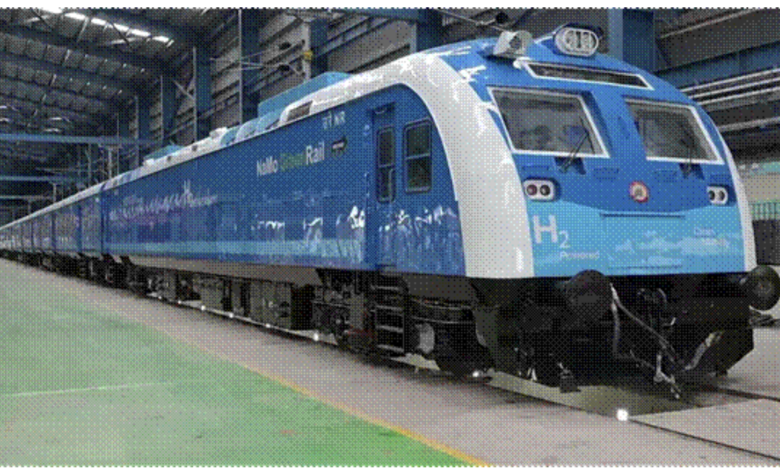
Indian Railways is set to usher in a new era of sustainable transportation with the launch of India’s first Hydrogen Fuel Cell Trainset, marking a major milestone in the country’s transition toward clean and environmentally friendly rail mobility. Developed using indigenous technology, the hydrogen-powered train generates its own electricity onboard by combining hydrogen with oxygen through a fuel cell, producing only water vapour and heat as by-products while eliminating direct carbon emissions.
The launch represents the next phase in the evolution of Indian Railways’ energy transition. Over the past decade, Indian Railways has rapidly expanded electrification across the country, with more than 99 percent of the Broad Gauge network now electrified, significantly reducing dependence on imported diesel. The introduction of hydrogen-powered trains now takes the green mobility mission a step further by offering an alternative clean propulsion technology that does not rely on overhead electric lines.
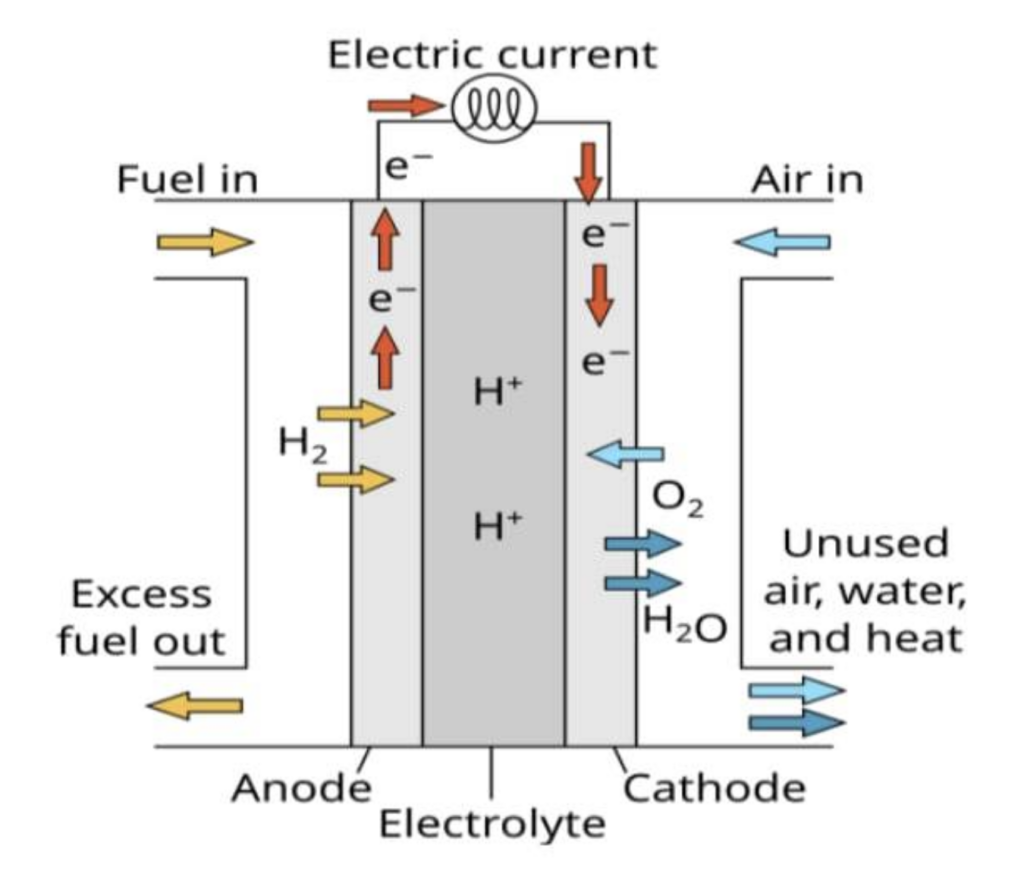
Unlike conventional electric trains, which receive electricity from overhead catenary systems, the Hydrogen Fuel Cell Trainset carries its own power source onboard. Hydrogen stored inside specially designed cylinders reacts with oxygen from the atmosphere inside Proton Exchange Membrane (PEM) fuel cells, generating electricity that powers the train’s traction motors. Since the process is electrochemical rather than combustion-based, it produces no smoke, soot or tailpipe emissions, making it one of the cleanest forms of railway propulsion currently available.
A defining feature of India’s hydrogen train is its scale. While most hydrogen passenger trains currently operating worldwide consist of only two to four coaches and primarily serve regional routes, the Indian Railways train has been configured as a 10-coach passenger train capable of carrying approximately 2,600 passengers. This makes it one of the largest hydrogen-powered passenger trainsets in terms of carrying capacity and demonstrates the country’s ambition to deploy hydrogen technology for mainstream passenger transportation.
The train consists of two Hydrogen Driving Power Cars positioned at either end and eight trailer coaches in between. Each driving power car houses advanced fuel cells, lithium iron phosphate (LFP) battery systems and hydrogen storage cylinders. Together, the two power cars generate about 2,400 kW (approximately 3,200 horsepower) of traction power, enabling the train to achieve a design speed of 110 kmph and an operational speed of 75 kmph.
Initially, the Hydrogen Fuel Cell Trainset will operate on Northern Railway’s Jind–Sonipat section in Haryana. The 89-kilometre route connects Jind Junction, Gohana Junction and Sonipat while serving several intermediate stations and halts, including Jind City, Pandu Pindara Junction, Lalit Khera Halt, Bhambhewa, Isapur Kheri Halt, Butana Halt, Khandrai Halt, Rabrah Halt, Lath Halt, Mohana, Barwasni Halt and Sonipat New. The corridor has been selected to evaluate the operational reliability, safety and performance of hydrogen-powered passenger services under regular railway conditions.
Supporting the train is India’s first integrated hydrogen railway ecosystem established at Jind. Indian Railways has developed the country’s largest railway hydrogen production and refuelling facility to ensure uninterrupted operation of the trainset. The facility produces hydrogen through electrolysis, a process that splits water into hydrogen and oxygen using electricity. The hydrogen is then stored in dedicated tanks, compressed to 500 bar to maximize storage efficiency, and dispensed to the train through two independent hydrogen dispensers operating at 350 bar. This arrangement allows both Hydrogen Driving Power Cars to be refuelled simultaneously, significantly reducing turnaround time.
The Jind hydrogen facility has a storage capacity of nearly 3,000 kilograms of hydrogen, sufficient to support regular passenger operations. The complete storage and dispensing infrastructure has received approval from the Petroleum and Explosives Safety Organisation (PESO), ensuring compliance with India’s stringent safety regulations.
Given hydrogen’s highly flammable nature, Indian Railways has incorporated multiple layers of advanced safety systems into both the train and the refuelling infrastructure. The project follows the internationally accepted “defence in depth” safety philosophy, where several independent systems work simultaneously to prevent, detect and respond to any abnormal situation.
Continuous monitoring systems installed throughout the train constantly detect hydrogen leaks, abnormal temperatures, flames and smoke. High-capacity ventilation systems ensure that even a small quantity of leaked hydrogen is immediately dispersed into the atmosphere before it can accumulate. In the event of any irregularity, automatic shut-off mechanisms instantly isolate the hydrogen supply without requiring human intervention.
Special attention has also been given to the safety of the locomotive pilot. The driver’s cabin features dedicated monitoring systems that provide real-time information about the health and status of the hydrogen propulsion system. In case of an emergency, a dedicated safety mode allows the train to be moved to a secure location while protecting onboard personnel.
The hydrogen production and refuelling plant at Jind is equipped with similar protection mechanisms, including hydrogen leak detectors, flame detection systems, automated shutdown equipment, water spray systems for fire suppression and advanced fire alarm networks, ensuring comprehensive safety throughout the hydrogen supply chain.
The hydrogen ecosystem has been designed according to internationally recognized standards, including NFPA-2 and the ISO 19880 Series, while also complying with all statutory requirements prescribed by PESO. Before receiving operational clearance, the complete project underwent an independent third-party safety assessment by TÜV SÜD, Germany, one of the world’s leading technical inspection and certification agencies.
Prior to passenger operations, the train successfully completed an extensive series of technical and safety evaluations. These included load box testing to verify electrical and power system performance, radio frequency compatibility trials to ensure there was no interference with signalling and communication systems, oscillation trials to confirm stable operation at higher speeds and emergency braking distance tests to verify safe stopping performance under emergency conditions. Only after clearing all statutory inspections and independent safety assessments was the train approved for operational deployment.
The Hydrogen Fuel Cell Trainset has been developed under the leadership of Indian Railways using indigenous engineering capabilities. The Research Designs and Standards Organisation (RDSO) formulated the technical specifications and supervised the design approval process, while Medha Servo Drives integrated the trainset. Integral Coach Factory (ICF), Chennai, contributed to the train’s overall theme and exterior design, showcasing India’s growing expertise in advanced railway technology.
Globally, hydrogen-powered rail transportation remains in its early stages. Germany became the first country to introduce commercial hydrogen passenger trains, while France, Italy, China and Japan are pursuing pilot projects or limited deployments. However, these trains generally comprise only two to four coaches and are designed primarily for low-capacity regional services. India’s 10-coach, high-capacity Hydrogen Fuel Cell Trainset marks a significant advancement in scale and operational ambition.
Indian Railways is also exploring the deployment of hydrogen technology on heritage routes, including the iconic Kalka–Shimla Railway, by leveraging the experience gained from the Jind–Sonipat project. The initiative aligns with the Government of India’s National Green Hydrogen Mission and the country’s long-term Net Zero commitments.
With indigenous technology, large passenger capacity, advanced safety architecture and a fully integrated hydrogen ecosystem, India’s first Hydrogen Fuel Cell Trainset represents a landmark achievement for Indian Railways. Beyond introducing a cleaner mode of transportation, the project establishes the foundation for future hydrogen-powered rail operations and reinforces India’s growing leadership in sustainable and green mobility.