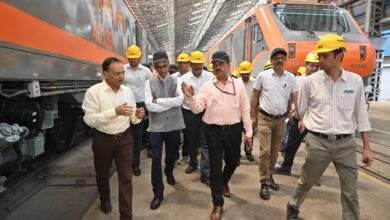
Delhi Kishanganj Railway Station Gets Modern Electronic Signalling System in ₹34 Crore Upgrade
Nearly Four Decades After India’s First EI System, Delhi Kishanganj Joins Modern Signalling Network

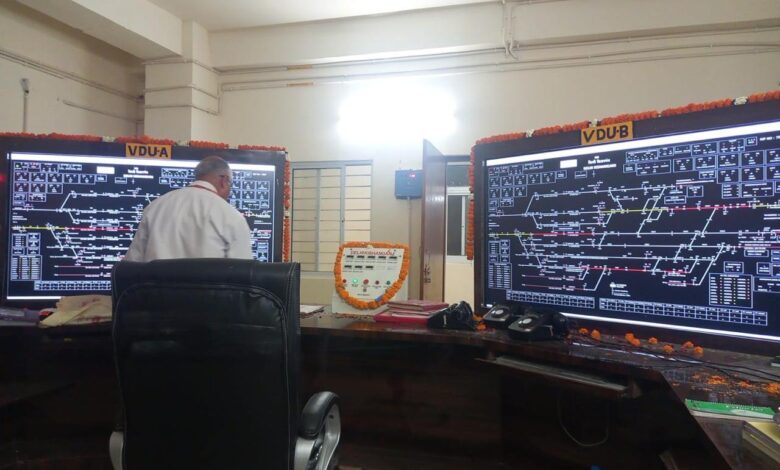
Northern Railway has successfully commissioned a modern Electronic Interlocking (EI)-based signalling system at Delhi Kishanganj railway station as part of a major infrastructure modernization project aimed at improving railway safety, operational efficiency and train handling capacity.
The upgraded signalling system at the station was officially commissioned on May 13, 2026, after extensive modernization and yard remodelling work carried out between May 5 and May 13. The project, completed at an estimated cost of around ₹34 crore, marks another important step in Indian Railways’ ongoing signalling modernisation programme.
According to railway officials, the newly installed Electronic Interlocking system introduces advanced microprocessor-based signalling technology with improved fail-safe mechanisms, real-time monitoring features and enhanced operational reliability. The upgraded infrastructure is expected to significantly improve the safety and efficiency of train operations in the busy Delhi Division section.
Officials said the modernization will enable smoother train movements, quicker route setting and better control of railway traffic while reducing the possibility of manual errors in signalling operations. The upgraded system is also expected to improve punctuality and operational flexibility for both passenger and freight services passing through the section.
The project forms part of the larger efforts of Indian Railways to modernise its signalling infrastructure across the country under various safety and capacity enhancement initiatives. Railway authorities stated that the commissioning reflects the continuous focus on adopting advanced technologies to create a safer and more efficient railway network.
The successful implementation of the project was achieved through coordinated efforts between the Delhi Division and the headquarters project team of Northern Railway.
Delhi Kishanganj railway station, identified by station code DKZ, is one of the historic railway stations in the national capital region. The station and the adjoining large railway employee colony were originally developed during the early 1920s as part of the railway expansion in Delhi during the British era. Over the decades, the station has remained an important operational point in the Delhi railway network.
With the latest modernization, the station has now joined the growing list of railway stations equipped with advanced electronic signalling systems that replace older relay-based or mechanical interlocking systems.
Electronic Interlocking systems are considered a major advancement in railway signalling because they use computer-based logic to control signals and track points with multiple layers of safety checks. These systems help ensure that conflicting train movements are automatically prevented, thereby significantly enhancing operational safety.
The modernization at Delhi Kishanganj also reflects the broader technological transformation taking place within Indian Railways over the past few decades.
India’s journey towards electronic signalling began in the late 1980s with the introduction of microprocessor-based interlocking technology. The first Electronic Interlocking installation in the country was the imported Microlok-I system commissioned at Srirangam railway station on Southern Railway in 1987. The installation marked the beginning of electronic and computerised interlocking systems in Indian Railways.
Soon after, indigenous Electronic Interlocking technology was developed with the involvement of the Research Designs and Standards Organisation (RDSO), Indian Institutes of Technology and other technical institutions. One of the first indigenous systems was installed at Brar Square railway station on Northern Railway around 1987-88 on a parallel operation basis, followed by deployments at several other stations including Dushkheda.
Since then, Indian Railways has steadily expanded the use of electronic and digital signalling technologies across major routes and junctions to improve safety standards and increase line capacity.
Railway experts note that Electronic Interlocking systems offer several advantages over conventional systems. In addition to improving safety, they reduce maintenance requirements, allow faster fault detection and enable centralized monitoring and route management. These systems are particularly useful in high-density railway corridors where train frequency is continuously increasing.
The Delhi Division of Northern Railway has been undertaking multiple infrastructure enhancement projects in recent years, including signalling upgrades, track renewals, station redevelopment and introduction of advanced monitoring systems.
Officials said the Delhi Kishanganj project is part of Indian Railways’ long-term strategy to modernise railway operations using digital and automated systems capable of supporting higher train speeds and increased traffic volumes in the future.
With the commissioning of the new Electronic Interlocking system, Delhi Kishanganj station is expected to handle train operations more efficiently while strengthening overall safety and reliability in one of the busiest railway zones of the country.