Cabinet Approves 2% Dearness Allowance Hike for Central Government Employees and Pensioners
Additional DA/DR instalment effective from January 1, 2026; to cost exchequer Rs 6,791 crore annually, benefiting over 1.18 crore people

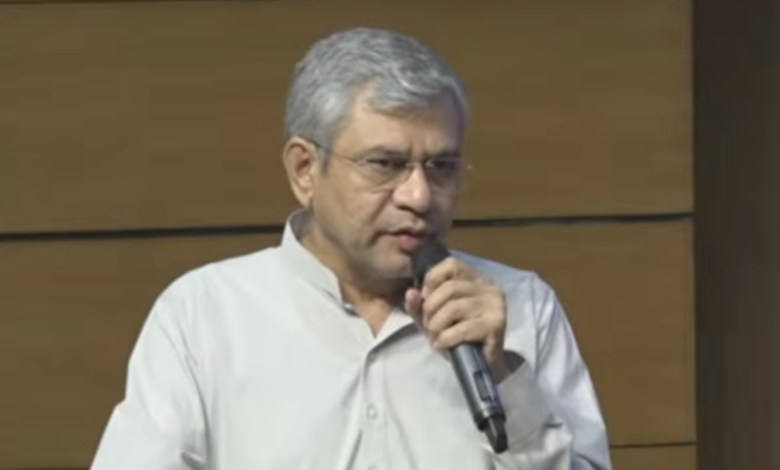
The Union Cabinet, chaired by Prime Minister Narendra Modi, has approved the release of an additional instalment of Dearness Allowance (DA) for Central Government employees and Dearness Relief (DR) for pensioners, effective from January 1, 2026.
This hike represents a 2% increase over the existing rate of 58%, bringing the new DA/DR rate to 60% of basic pay or pension. The move aims to provide partial compensation to government staff and retirees against the rising cost of living and inflation.
The decision comes as a much-awaited relief for millions of central government workers and pensioners, especially after some delay in the usual announcement timeline. Dearness Allowance is a critical component of the salary structure for central employees, calculated as a percentage of basic pay to offset inflationary pressures. Similarly, Dearness Relief serves the same purpose for pensioners, ensuring their fixed incomes do not lose value over time.
According to official details, the combined financial impact of this increase on the government exchequer will be approximately Rs. 6,791.24 crore per annum. This substantial outlay underscores the government’s commitment to the welfare of its workforce, even as it manages fiscal responsibilities.
The hike is expected to directly benefit around 50.46 lakh Central Government employees and 68.27 lakh pensioners, bringing the total number of beneficiaries to nearly 1.19 crore people across the country.
This latest adjustment follows the standard formula recommended by the 7th Central Pay Commission and accepted by the government. The formula links DA/DR revisions to the All-India Consumer Price Index for Industrial Workers (AICPI-IW). The 2% rise is based on the average index movement over the 12-month period ending December 2025, reflecting moderate inflationary trends in the recent past.
For individual employees, the actual monetary benefit will vary depending on their basic pay. For instance, an employee with a basic pay of Rs. 50,000 will see an additional Rs. 1,000 per month in DA (2% of basic pay). Over a year, this translates to Rs. 12,000 extra, not including any arrears that may be paid for the period from January 2026 onwards once the order is implemented in salaries.
Pensioners will receive a similar proportional increase in their monthly pensions through enhanced Dearness Relief. This is particularly significant for retired government servants, many of whom rely heavily on pensions as their primary source of income in their post-retirement years.
The approval reflects the periodic nature of DA revisions, which are typically announced twice a year — in January and July — based on inflation data. The previous hike of 3% (taking DA from 55% to 58%) was implemented effective July 1, 2025. With this new 2% increase, the cumulative DA has continued its upward trajectory, helping to maintain the real value of salaries and pensions amid fluctuating economic conditions.
Central government employees and pensioners often view DA hikes as an important morale booster. Unions and employee associations have been vocal in recent weeks about the slight delay in the January 2026 announcement, which traditionally comes by late March. The Cabinet’s decision now paves the way for early disbursement, including possible arrears in the upcoming salary or pension cycles.
Economists note that while DA/DR increases add to government expenditure, they play a vital role in sustaining domestic consumption, especially in regions with a high concentration of government employees. The additional money flowing into the hands of beneficiaries is likely to support spending on essentials, local economies, and services.
The 7th Central Pay Commission framework, under which this revision has been made, continues to guide pay and allowance structures for central government staff. It ensures a structured, inflation-linked mechanism that balances employee interests with fiscal prudence. Future revisions will continue to follow the same accepted formula until the implementation of the next pay commission.
In a broader context, such periodic adjustments are part of the government’s larger strategy to ensure competitive compensation for public servants, helping in talent retention and efficient governance delivery. For pensioners, the enhanced relief provides a cushion against healthcare costs, inflation in daily necessities, and other living expenses.
Implementation orders from the Department of Expenditure are expected shortly, after which ministries and departments will update payroll systems accordingly. Employees drawing pay under the 7th CPC matrix will see the revised DA reflected in their pay slips, while those under older pay commissions (6th or 5th CPC) will also receive corresponding benefits as per applicable rules.
This announcement comes at a time when the government continues to focus on welfare measures for its employees and retirees. With over one crore beneficiaries, the ripple effect of this Rs. 6,791 crore annual burden on the exchequer is significant, yet it is seen as a necessary step to protect purchasing power.
Central government employees and pensioners can look forward to the enhanced allowance providing some relief in their monthly budgets. As the exact arrears and implementation details emerge in the coming days, millions across the country will feel the direct impact of this Cabinet decision.