Agra Division Completes Construction of Seven Limited Height Subways at Level Crossings to Improve Rail and Road Safety
New infrastructure facilities will reduce waiting time for road users, ease traffic congestion and minimise the risk of accidents at railway level crossings across different sections of the division

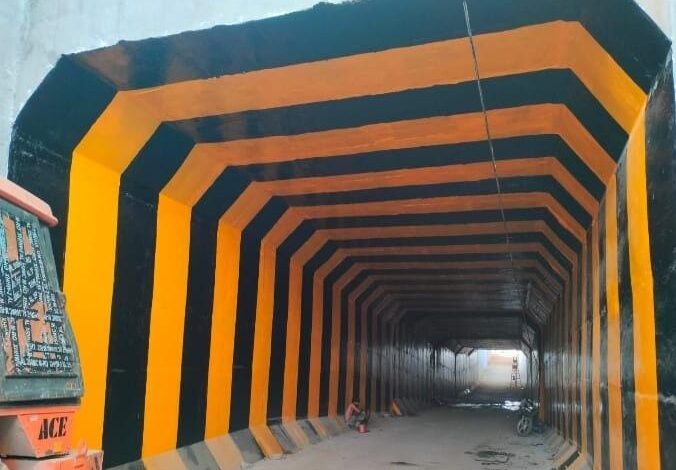
The infrastructure development works have been undertaken under the guidance of Gagan Goyal, Divisional Railway Manager (DRM), Agra, as part of the division’s ongoing efforts to improve railway safety and passenger-related infrastructure.
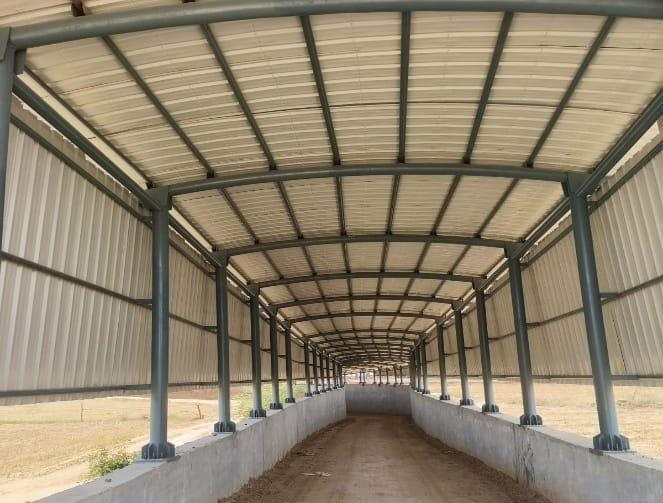
The seven LHS facilities have been constructed across four railway sections under the Agra Division. These include one subway on the Dholpur–Agra Cantt section, four on the Agra Cantt–Palwal section, one on the Mathura Junction–Achhnera section and one on the Bhandai–Etawah section.
Seven level crossings covered under the project
According to the railway administration, the completed Limited Height Subways are located at the following level crossings:
| Railway section | Level crossing number |
|---|---|
| Dholpur–Agra Cantt | LC No. 486 |
| Agra Cantt–Palwal | LC Nos. 507, 508, 555 and 533 |
| Mathura Junction–Achhnera | LC No. 83 |
| Bhandai–Etawah | LC No. 14 |
The completion of these seven subways is expected to reduce the need for road vehicles to cross railway tracks at the identified locations. This will help improve the safety of train operations by reducing potential conflicts between road traffic and moving trains.
Reduced waiting time and smoother road traffic
One of the major benefits of the newly constructed LHS facilities will be the reduction in waiting time for road users. At conventional level crossings, vehicles often have to stop when railway gates are closed to allow trains to pass. During busy hours, this can result in long queues, traffic congestion and delays for commuters.
With the availability of the subways, road users will be able to pass beneath the railway tracks without having to wait for trains at the level crossings. This is expected to improve traffic flow and save travel time for commuters, particularly in areas where road and railway traffic frequently intersect.
The new facilities will also help reduce crowding and congestion near railway gates. By providing an alternative route for road traffic, the subways are expected to make movement more convenient for local residents and other commuters.
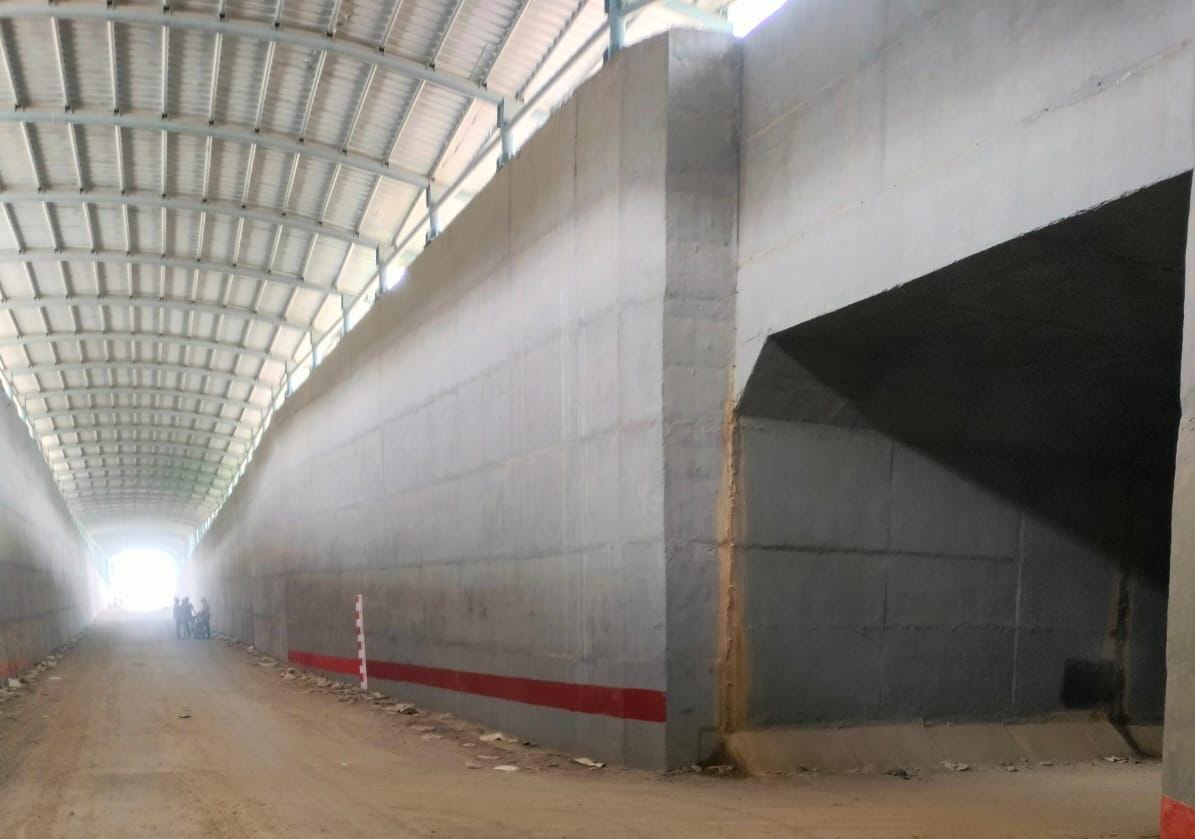
Strengthening railway safety and reducing accident risks
The construction of Limited Height Subways is an important infrastructure measure aimed at improving safety at railway-road intersections. Level crossings can pose safety challenges when road vehicles and trains use the same crossing point. The possibility of accidents increases when road users attempt to cross tracks without adequate caution or when traffic congestion develops near closed railway gates.
By providing a separate passage for road traffic beneath railway tracks, LHS facilities help reduce direct interaction between road vehicles and trains. This can minimise the chances of collisions at level crossings and support safer and more reliable railway operations.
The reduction in road traffic movement across railway tracks is also expected to contribute to smoother train operations by reducing the operational challenges associated with busy level crossings.
Better regional connectivity and public convenience
Apart from improving safety, the completed subways are expected to benefit people living in surrounding areas. Easier movement across railway corridors will improve local connectivity and provide commuters with more convenient access to nearby destinations.
The facilities will be particularly useful for regular road users who depend on these routes for daily travel. Reduced waiting time, less congestion and improved traffic movement are expected to make commuting more efficient.
The Agra Division has been undertaking infrastructure development initiatives to strengthen railway safety and improve facilities for the public. The completion of these seven Limited Height Subways represents another step in this direction.
The railway administration expects the new infrastructure to deliver benefits for both rail and road users by supporting safer train operations, reducing congestion at level crossings and providing a more convenient transportation network across the division.