Mumbai-Ahmedabad Bullet Train Project Advances Rapidly, First Section Targeted for 2027

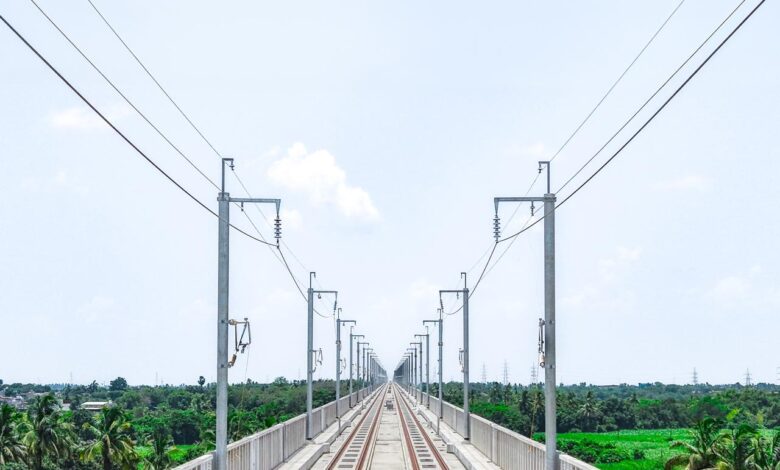
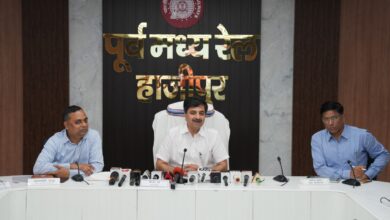
The Mumbai-Ahmedabad High-Speed Rail project is witnessing significant progress, with Railway Minister Ashwini Vaishnaw highlighting the pace of construction and development across the corridor. The first section of India’s ambitious Bullet Train project is targeted to commence services in 2027.
According to the Railway Minister, construction of the first section is expected to be completed by December this year. However, before passenger services begin, the high-speed train will undergo extensive testing and safety evaluations to ensure that all systems meet the required operational standards.
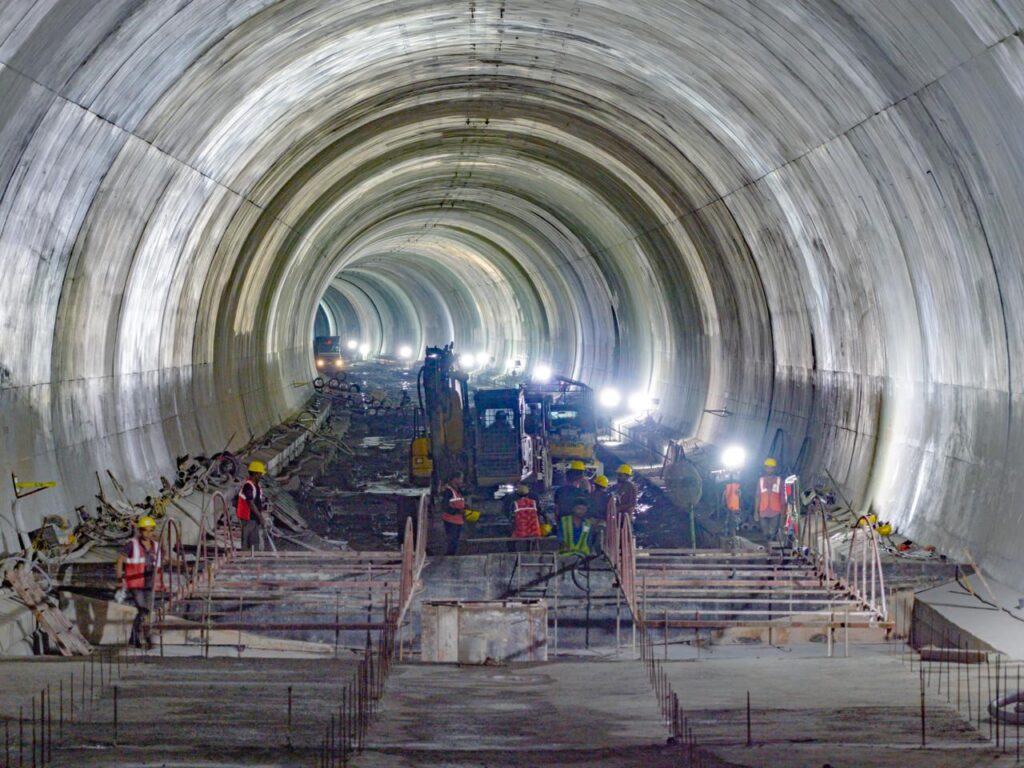
The project, officially known as the Mumbai-Ahmedabad High-Speed Rail Corridor, is being developed to introduce high-speed rail connectivity between Mumbai and Ahmedabad. The corridor will use advanced railway technology and infrastructure, including dedicated tracks, modern stations, bridges and tunnels.
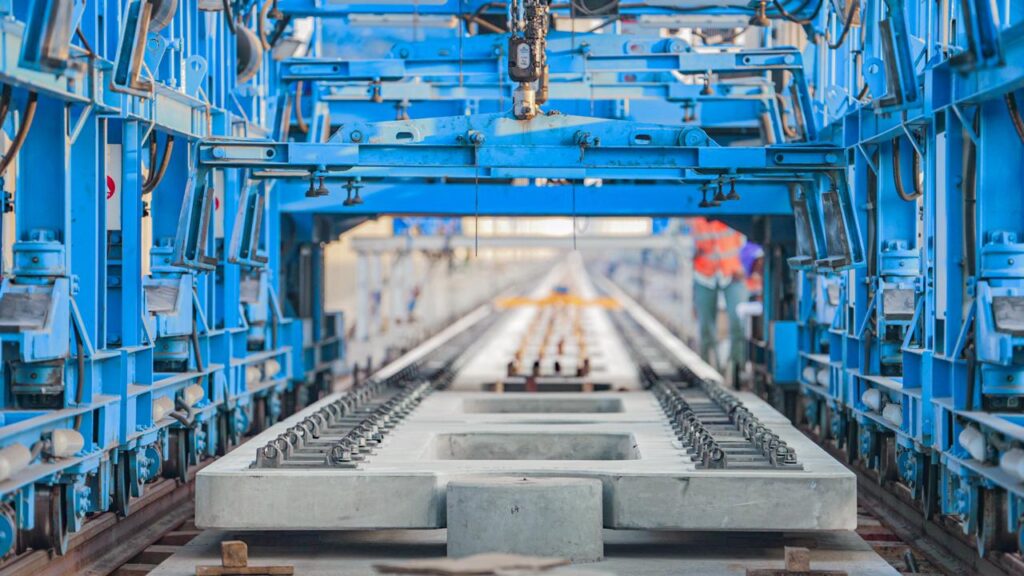
Train Manufacturing and Testing Progress
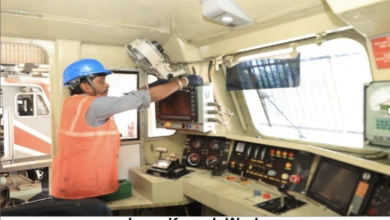
Work on several critical components of the Bullet Train is progressing simultaneously. These include the train’s car body, bogies, propulsion system, vehicle electronics, wheels and pantograph.
The train is currently undergoing a squeeze test, an important assessment designed to evaluate the strength and structural integrity of the train body. Such testing is part of the broader validation process required before a high-speed train can enter regular passenger service.
Extensive testing will be carried out after the construction of the first section is completed. The testing programme is expected to examine the performance of the train, track and associated systems under different operating conditions.
BKC-Thane Undersea Tunnel
One of the major engineering components of the project is the undersea tunnel between Mumbai’s Bandra Kurla Complex (BKC) and Thane. Work on this section is also progressing.
Construction of the tunnel shafts has advanced, while installation of both Tunnel Boring Machines (TBMs) has been completed. The TBMs will play a crucial role in constructing the underground section of the corridor.
The BKC-Thane tunnel represents one of the most technically challenging components of the Mumbai-Ahmedabad High-Speed Rail project because of its underground and undersea alignment. Its construction involves specialised tunnelling techniques and sophisticated engineering systems.
Tunnels, Bridges and Stations
Apart from the undersea tunnel, construction activity is progressing at multiple locations along the high-speed rail corridor. Tunnelling works, station construction and bridge development are moving ahead simultaneously.
The corridor requires extensive civil infrastructure, including viaducts, bridges, tunnels and elevated sections. Stations are also being developed to support high-speed rail operations and passenger movement.
The project is expected to significantly enhance rail connectivity between Mumbai and Ahmedabad once operational. The first section planned for service in 2027 will also provide an important milestone in India’s efforts to establish a dedicated high-speed rail network.
The progress highlighted by Ashwini Vaishnaw indicates that the project has entered an important phase, with civil construction, train manufacturing, system development and testing activities advancing in parallel.
Before passenger operations begin, the completed infrastructure and rolling stock will have to undergo comprehensive testing and safety certification. The final commissioning will therefore depend not only on construction completion but also on successful testing and regulatory clearances.
With work continuing on tunnels, bridges, stations, track infrastructure and train systems, the Mumbai-Ahmedabad High-Speed Rail project is moving closer to its first operational milestone, targeted for 2027.