
Gardening Helps Build a Strong Foundation in Childhood, Experts Urge Parents to Encourage the Habit

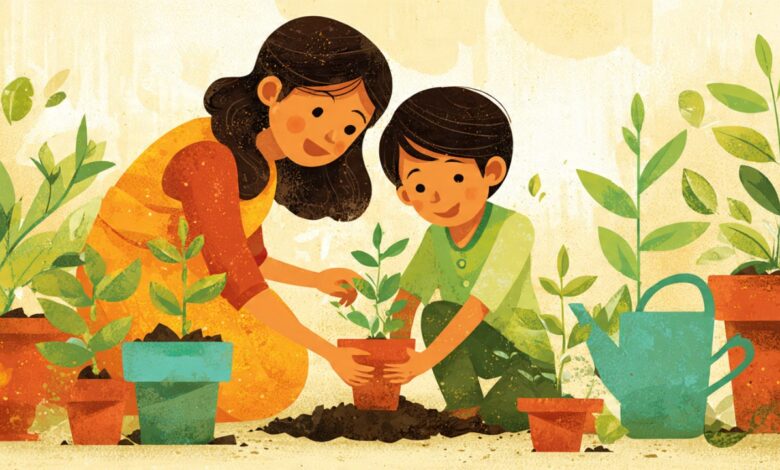
At a time when children are increasingly glued to mobile phones and television screens, experts warn that their physical and emotional development may be at risk. Introducing children to gardening, they say, can be a powerful way to promote healthier growth—mentally, physically and emotionally.
Gardening engages children in meaningful physical activity while teaching them responsibility. As they water plants, sow seeds and care for saplings, children learn that nurturing anything requires effort, patience and consistency. This hands-on experience boosts their confidence and helps them understand the value of honesty and commitment in everyday tasks.
The practice also strengthens family bonds. When parents and children work together in the garden, it creates space for meaningful conversations and shared experiences. The activity naturally fosters teamwork, cooperation and communication within the family.
Experts say gardening also teaches children core emotional skills. Witnessing the natural cycle of plant growth—the challenges, delays and unexpected changes—helps them build patience, empathy and resilience. This prepares them to cope better with setbacks in real life and enhances their emotional maturity.
Additionally, gardening improves children’s fine motor skills. Simple actions such as planting seeds, handling soil or watering plants develop coordination and enhance cognitive functioning, contributing to overall physical and mental development.
In the long run, gardening instills important life values such as responsibility, empathy, perseverance and self-reliance. Child specialists suggest that parents encourage this practice early in life to help children build a balanced, healthy and joyful future.