News Analysis: Indian Railways’ New Cement Freight Policy – A Structural Shift for the Sector

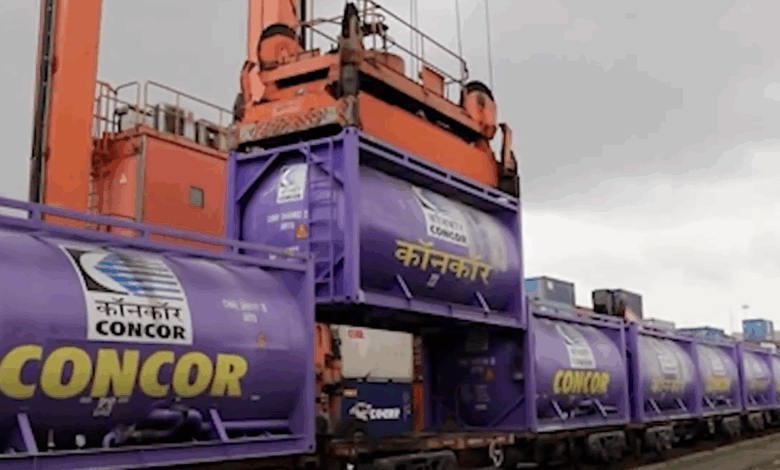
Indian Railways has introduced one of the most significant freight reforms in recent years with a flat ₹0.90 per tonne-km rate for bulk cement moved in tank containers and a dedicated Bulk Cement Terminal policy under PPP mode. The policy removes the old distance- and weight-slab structure that made rail unviable for hauls below 300–350 km.
Rate Comparison: Old vs New (Bulk Cement)
|
Distance |
Old Effective Rate (avg.) |
New Rate |
Savings % |
|
0–200 km |
₹1.25–1.45 /tonne-km |
₹0.90 |
30–38% |
|
200–400 km |
₹1.05–1.20 /tonne-km |
₹0.90 |
20–25% |
|
>400 km |
₹0.95–1.05 /tonne-km |
₹0.90 |
5–10% |
|
All-India Weighted Average Savings |
— |
— |
~30% (official estimate) |
Road freight benchmark: ₹1.60–2.20 /tonne-km.
Post-policy, rail is now 45–60% cheaper than road even at 150–200 km.
Impact on Railways’ Freight Revenue
- Current cement contribution: ~₹10,000–12,000 crore annually (8% of total freight revenue)
- Present rail share: 8–9% (87 MT bagged + 7 MT bulk)
- Target: Triple bulk volumes from 7 MT to 21–25 MT in 3–4 years
- Expected outcome: Lower rate offset by 3× volume → net additional revenue of ₹12,000–18,000 crore per year by FY29
Company-wise Benefit Matrix (FY26–FY28 annualized savings)
|
Company |
Capacity (MTPA) |
Avg Lead (km) |
Est. Annual Logistics Savings |
EBITDA Margin Gain |
Key Advantage |
|
UltraTech Cement |
148 |
380 |
₹380–520 crore |
+220–300 bps |
Highest absolute spend |
|
Ambuja + ACC (Adani) |
82 |
420 |
₹260–360 crore |
+180–250 bps |
Early tank container pilots; East/N-E strength |
|
Shree Cement |
56 |
350 |
₹140–190 crore |
+200–280 bps |
High bulk readiness |
|
Dalmia Bharat |
46 |
480 |
₹110–150 crore |
+250–320 bps |
Longest lead distance; sharp rail volume growth in East |
|
JK Lakshmi Cement |
20 |
280 |
₹55–80 crore |
+300–400 bps |
Rail now viable for short leads |
|
Ramco Cements |
24 |
320 |
₹60–90 crore |
+220–300 bps |
South-focused; upcoming terminals in TN/AP |
|
Others (mid-size/regional) |
~200 combined |
250–400 |
₹600–900 crore (aggregate) |
+100–200 bps |
Collective benefit for 40+ players |
Total sector-level savings: ₹1,800–2,400 crore per year once rail share reaches 25–30% (expected by FY28).
Strategic Winners
- Adani Group (Ambuja + ACC): Already running pilot rakes; fastest execution capability
- UltraTech: Scale to absorb container capex and secure terminals
- Eastern/N-E players (Dalmia, Shree, Star Cement): Region already seeing 71% YoY rail loading growth
- Pure bulk players (Shree, Nuvoco): No bagging cost disadvantage
Key Execution Risks
- Availability of ISO tank containers (current fleet <2,000; need 15,000+ in 3 years)
- Pace of Bulk Cement Terminal rollout (first 10–15 terminals critical)
- Container leasing economics and return-load availability
This policy marks the biggest structural cost-saving trigger for the Indian cement industry since GST, fundamentally altering modal economics in favor of large, integrated players with pan-India networks and bulk-handling infrastructure.