Surat–Bilimora Section of Bullet Train Corridor Energised, Paving Way for Further Testing
OHE System Successfully Energised on November 20; 50-km Elevated Section Marks Major Milestone for India’s First High-Speed Rail Project

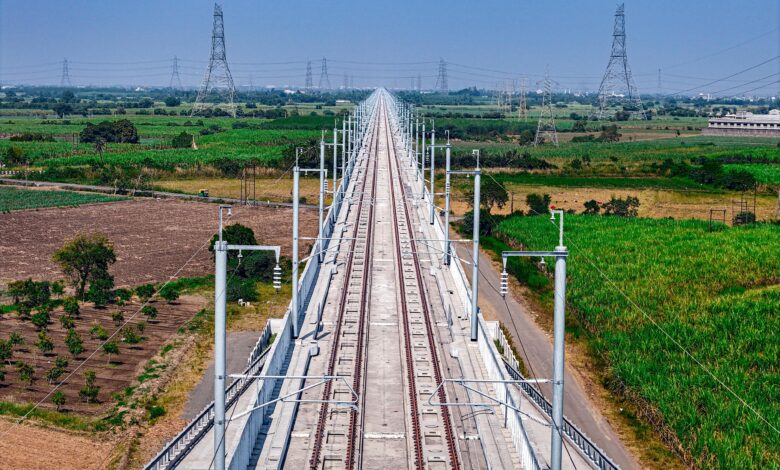
The energisation of the overhead electrical system is a crucial part of preparing the corridor for subsequent technical testing. The process will be undertaken progressively across smaller sections under the close supervision of specialised technical teams. This phased approach is intended to ensure that all safety requirements and prescribed technical procedures are followed during the commissioning process.
The energised section covers both Up and Down lines along the elevated alignment between Surat and Bilimora. The successful activation of the OHE system represents progress in the installation and commissioning of the advanced railway electrification infrastructure required for high-speed train operations.
Advanced 2 × 25 kV Traction System
The Mumbai–Ahmedabad Bullet Train corridor is being equipped with an advanced 2 × 25 kV Overhead Traction System, a sophisticated electrification technology used in high-speed rail networks around the world.
The system is designed to provide the electrical power required for operating high-speed trains. Unlike conventional railway electrification arrangements, the 2 × 25 kV system is designed to support the high-power requirements of trains travelling at very high speeds over long distances.
The 508-km Mumbai–Ahmedabad corridor will have 14 strategically located Traction Substations (TSS). These substations will receive electricity from the National Grid and supply power to the overhead traction network through the designated electrical infrastructure.
The traction substations will play a critical role in ensuring a reliable and continuous power supply for the operation of high-speed trains. The entire electrical network will be monitored through a centralised control centre, which will facilitate coordinated monitoring and management of the power supply system.
Bilimora Traction Substation Completes Key Installation Works
The first Traction Substation at Bilimora, located in Gujarat’s Navsari district, has completed installation work in several important infrastructure facilities.
The completed works include installations in the Control Panel Building, Changeover Switch Building, Transformer Building and Circuit Breaker Building. These facilities form an essential part of the electrical infrastructure required to receive, regulate and distribute power to the high-speed railway’s overhead traction system.
The Traction Substations in Gujarat will receive electricity from the 220 kV Ambetha Grid Substation operated by the Gujarat Energy Transmission Corporation Limited (GETCO).
The integration of the grid supply with the dedicated railway traction network is an important component of the project’s overall electrification system. The centralised monitoring arrangement is expected to support safe and reliable management of the electrical network as the project progresses towards further testing and operational preparations.
50-km Elevated Section Connects Surat and Bilimora
The Surat–Bilimora section covers approximately 50 kilometres of elevated alignment between the two stations. The stretch includes several major engineering structures designed to carry the high-speed railway across existing geographical and transportation obstacles.
The alignment features bridges across four rivers and a steel bridge over National Highway 53 (NH-53). These structures form part of the extensive civil engineering works undertaken to develop the elevated high-speed rail corridor.
Another important feature of the section is the installation of approximately 94,000 noise barriers along the viaduct. These barriers are intended to minimise the impact of train noise on surrounding areas and communities.
The elevated alignment, river bridges, highway crossing and noise-mitigation infrastructure demonstrate the scale of engineering work involved in constructing the Mumbai–Ahmedabad High-Speed Rail corridor.
The energisation of the OHE system now adds another important element to the infrastructure required for testing the high-speed railway. With the electrification system progressively being activated, the project can move towards further technical checks and testing activities in the section.
Public Safety Advisory Issued Following Energisation
With the overhead electrical system now energised, a strict safety advisory has been issued for people living, working or travelling near the railway alignment.
Residents, commuters, construction workers and members of the public have been advised not to approach or touch overhead electrical installations. They have also been warned against carrying out any unauthorised activity or work near the electrified infrastructure.
The warning is particularly important because overhead traction equipment carries high-voltage electricity and can pose a serious risk to life. People in the vicinity of the corridor are required to maintain a safe distance from the installations and follow all safety instructions issued by the project authorities.
The successful energisation of the Surat–Bilimora section is a notable achievement in the development of India’s first Bullet Train corridor. Along with the progress in traction substations, grid connectivity and elevated infrastructure, it represents another step towards preparing the Mumbai–Ahmedabad High-Speed Rail project for its next phase of testing and commissioning.