Western Railway Creates New Milestone in Freight Operations, First Spice Rake Flagged Off from Gujarat to Assam

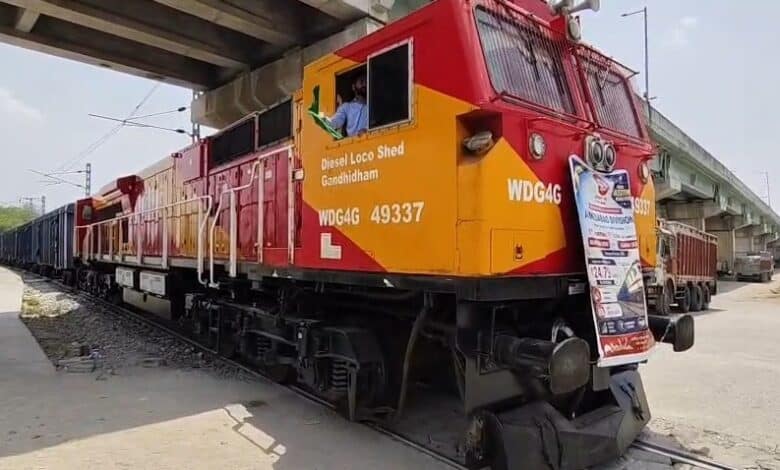
In a major achievement for India’s freight transportation sector, Western Railway has set a new benchmark by successfully operating the first-ever “Deemed VP Rake” loaded with spices from Gujarat to Northeast India. The historic freight movement highlights the growing role of Indian Railways in supporting trade, industry, and long-distance cargo logistics across the country.
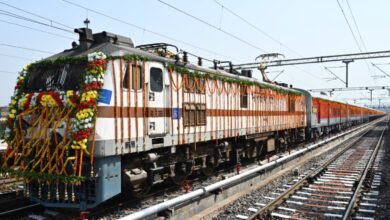
The special freight rake carrying cumin seeds was flagged off on May 6, 2026, from Mehsana station in Gujarat to Azara station in Assam under the Rangiya Division of Northeast Frontier Railway. The operation marks the first organized rail transportation of spices from the Ahmedabad Division and is being seen as a significant step toward strengthening the nationwide agricultural supply chain.
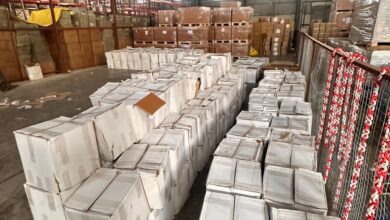
According to railway officials, the Deemed VP Rake consisted of 30 BCN wagons loaded with nearly 4,200 quintals of cumin seeds. A total of 13,800 spice packages were transported through the special freight movement. The total weight of the cargo was around 4,20,000 kilograms, equivalent to approximately 420 tonnes.
The rake is scheduled to travel nearly 2,477 kilometres from western India to the Northeast, connecting Gujarat’s thriving spice industry with emerging markets in Assam and neighbouring states. Through this single freight operation, Indian Railways earned more than ₹25.28 lakh in freight revenue, underlining the growing commercial potential of specialized cargo transportation by rail.
Railway officials described the initiative as a milestone for Ahmedabad Division, which has been consistently expanding its freight portfolio and introducing innovative logistics solutions to attract new business sectors. The successful handling of a large consignment of spices demonstrates the division’s ability to manage non-traditional freight commodities efficiently and safely.
The transportation of spices through railways is expected to provide multiple benefits to traders, exporters, and businesses associated with the agricultural sector. Compared to road transport, railway freight offers cost-effective movement of bulk goods over long distances while also reducing fuel consumption and carbon emissions. The latest initiative aligns with Indian Railways’ broader focus on promoting sustainable and environment-friendly transportation systems.
Officials said the move would significantly help traders in Gujarat by enabling direct and reliable connectivity with Northeast Indian markets. Gujarat is one of India’s leading producers and exporters of spices, including cumin, fennel, coriander, and other agricultural commodities. With improved railway connectivity, businesses are expected to benefit from faster transit times, safer cargo handling, and reduced transportation costs.
The operation is also important from the perspective of regional economic integration. Northeast India has been witnessing increasing demand for agricultural products, packaged food items, and essential commodities. By establishing a direct rail-based logistics corridor between Gujarat and Assam, Indian Railways is helping bridge geographical distances and improving market access for industries across regions.
The Deemed VP Rake model is being viewed as a practical and flexible freight solution for bulk commodity transportation. Such rakes enable traders to move large quantities of goods in a coordinated and organized manner, improving operational efficiency while ensuring timely delivery. Railway authorities believe this initiative could encourage similar freight operations involving agricultural produce, food products, and industrial commodities in the future.
Western Railway has been aggressively working toward increasing freight loading and improving customer-oriented logistics services. In recent years, the zone has undertaken several measures to simplify freight booking procedures, improve wagon availability, reduce transit delays, and provide end-to-end logistics support for industries and traders.
Officials stated that Ahmedabad Division’s successful execution of this long-distance spice transportation project reflects its strong freight handling capabilities and efficient logistics management systems. The division has been focusing on modern freight practices and infrastructure development to meet growing business demands and enhance customer satisfaction.
Indian Railways has increasingly emerged as a preferred transportation mode for bulk cargo due to its safety, reliability, and affordability. Large-scale freight movements through rail not only reduce congestion on highways but also support the government’s efforts to promote green transportation and reduce environmental impact.
The successful spice rake operation from Mehsana to Azara is expected to open new opportunities for organized agricultural freight transportation in India. Railway authorities are optimistic that more traders and exporters will adopt rail transport for long-distance cargo movement in the coming years.
With initiatives like these, Western Railway continues to strengthen its position as a key player in India’s freight ecosystem while contributing to economic growth, trade expansion, and seamless connectivity across the country.