DRI Seizes 25,000 Kg of Pakistani-Origin Watermelon Seeds; Two Arrested in Import Ban Evasion Case
Operation Deep Manifest uncovers Dubai-routed transshipment and alleged origin misdeclaration; investigation identifies 46,920 kg of Pakistani-origin watermelon and muskmelon seeds

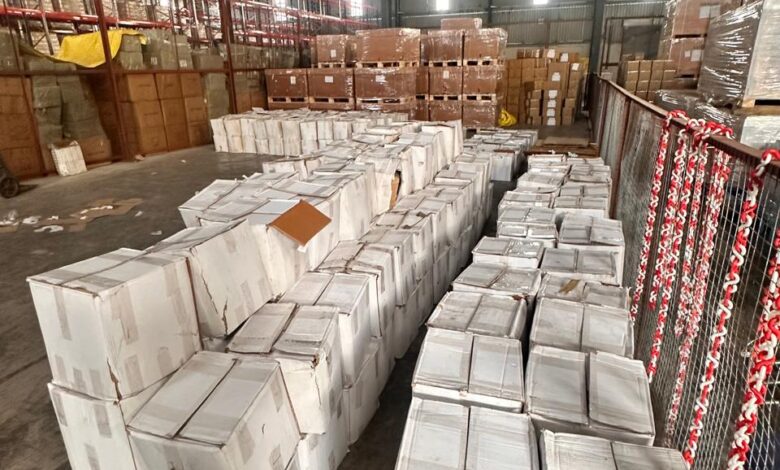
According to information released by the government, the investigation was conducted between September 11 and October 22, 2026. DRI officers intercepted the consignment at Nhava Sheva Port after receiving specific intelligence that the declared origin and description of the imported goods might be incorrect.
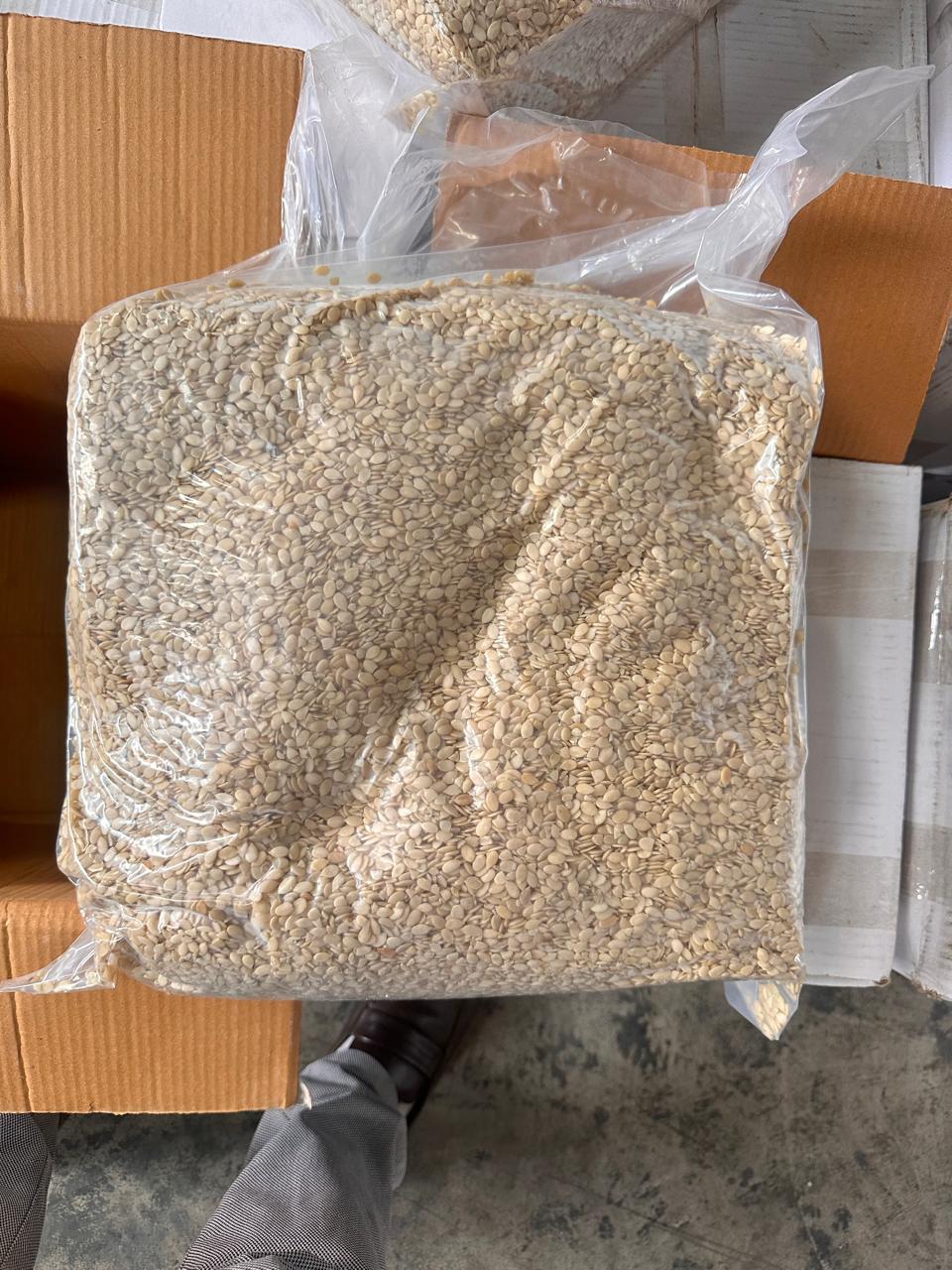
The consignment had been declared as muskmelon seeds of United Arab Emirates (UAE) origin. However, physical examination revealed that the goods were watermelon seeds, while documentary evidence gathered during the investigation indicated that they had originated in Pakistan.
The case has raised concerns about the use of third-country transshipment routes and allegedly fabricated import documents to bypass India’s trade restrictions.
Dubai Route Allegedly Used to Conceal Pakistani Origin
The preliminary investigation uncovered a suspected arrangement involving the movement of goods from Pakistan to Dubai before their onward shipment to India.
According to the DRI, the seeds were initially transported from Karachi Port in Pakistan to Jebel Ali Port in Dubai in one set of containers aboard a vessel. Following their arrival in Dubai, the goods were transferred into another set of containers and loaded onto a different vessel for shipment to India.
Investigators suspect that changing the containers and vessels, combined with the alleged misdeclaration of the country of origin and the use of fabricated import documentation, was intended to conceal the goods’ Pakistani origin.
Documents recovered during the investigation reportedly established the movement of the consignment from Pakistan through Dubai to India, contradicting the declared UAE origin.
The agency’s findings suggest that the Dubai route may have been used to make the consignment appear eligible for import despite the restrictions applicable to Pakistani-origin goods.
Two Import Policy Violations Identified
The DRI stated that the consignment violated India’s import policy on two grounds.
First, the Directorate General of Foreign Trade (DGFT), through Notification No. 06/2025-26 dated May 2, 2025, prohibited the direct or indirect import or transit of all goods originating in or exported from Pakistan.
Second, watermelon seeds are subject to import restrictions in India with effect from July 1, 2024, under DGFT Notification No. 02/2023 dated April 5, 2024.
The approximately 25,000 kg consignment, with an estimated market value of ₹2.02 crore, was seized on October 14, 2026, under the relevant provisions of the Customs Act, 1962.
The case highlights the role of customs intelligence and documentary verification in identifying potentially prohibited imports routed through intermediary countries.
Earlier Consignment of 22,000 Kg Also Under Investigation
The investigation has also uncovered an earlier import involving the same Dubai-based supplier.
According to the DRI, the importer had brought in approximately 22,000 kg of muskmelon seeds in February 2026, declaring the goods as originating in the UAE.
Investigators suspect that this consignment may also have been transshipped through Dubai, raising questions about the accuracy of its declared country of origin.
Together, the two consignments account for 46,920 kg of watermelon and muskmelon seeds identified by the investigation as being of Pakistani origin.
The earlier consignment is an important part of the inquiry because it may help investigators determine whether the latest interception was an isolated incident or part of a broader pattern of imports allegedly structured to circumvent Indian trade restrictions.
Two Related Persons Arrested
The DRI’s investigation has identified the alleged involvement of two related individuals connected with the import and supply chain.
According to the agency, one is the son of the Importer Exporter Code (IEC) holder and owns or directs the Dubai-based supplier firm. The second, described as his cousin and nephew of the IEC holder, was allegedly responsible for handling import-related formalities and domestic sales in India.
Both individuals were arrested on October 22, 2026.
The arrests followed the investigation into the consignment’s movement, documentation and declared origin. Further proceedings will determine the extent of the alleged roles of the individuals and other parties, if any, involved in the transactions.
DRI’s Recent Crackdown on Pakistani-Origin Goods
Operation Deep Manifest follows other enforcement actions by the DRI involving Pakistani-origin goods allegedly routed through third countries to evade India’s import prohibition.
In September 2026, the agency seized more than 362 metric tonnes of Pakistani-origin dry dates packed in 13 containers at a container freight station in Ambad, Nashik. Investigators reportedly found that the consignment had been routed through Jebel Ali in Dubai, with its origin allegedly misdeclared.
In another case reported in October 2026, the DRI detected an illegal import involving 295 containers carrying approximately 7,311 metric tonnes of Pakistani-origin industrial or Himalayan rock salt. The goods had allegedly been routed through Colombo, Sri Lanka, using fabricated certificates of origin and invoices.
These cases point to the challenges faced by enforcement agencies in verifying the true origin of goods when international shipments pass through multiple ports and countries.
Background: India’s Ban on Pakistani-Origin Goods
Following the Pahalgam terror attack in April 2025, the Government of India imposed a prohibition on the direct or indirect import or transit of all goods originating in or exported from Pakistan. The restriction was notified by the DGFT on May 2, 2025, citing national security and public policy considerations.
The prohibition applies even when goods are routed through third countries, making accurate country-of-origin declarations and supporting trade documents critical to customs compliance.
The DRI has reiterated its commitment to identifying networks involved in customs fraud and attempts to circumvent import restrictions. Through intelligence-led inspections, document verification and investigations into international supply chains, the agency aims to protect India’s trade controls and economic security.
The latest seizure under Operation Deep Manifest underscores the importance of verifying the actual origin of imported goods and preventing prohibited products from entering the country through allegedly misleading declarations.