


For thousands of migrant workers and their families living in Surat, Udhna is an important railway gateway for travelling to their home states, including Bihar, Uttar Pradesh and other parts of the country. Passenger numbers increase significantly during festivals such as Diwali and Chhath Puja, putting considerable pressure on platforms, station entrances, circulating areas and existing holding facilities.
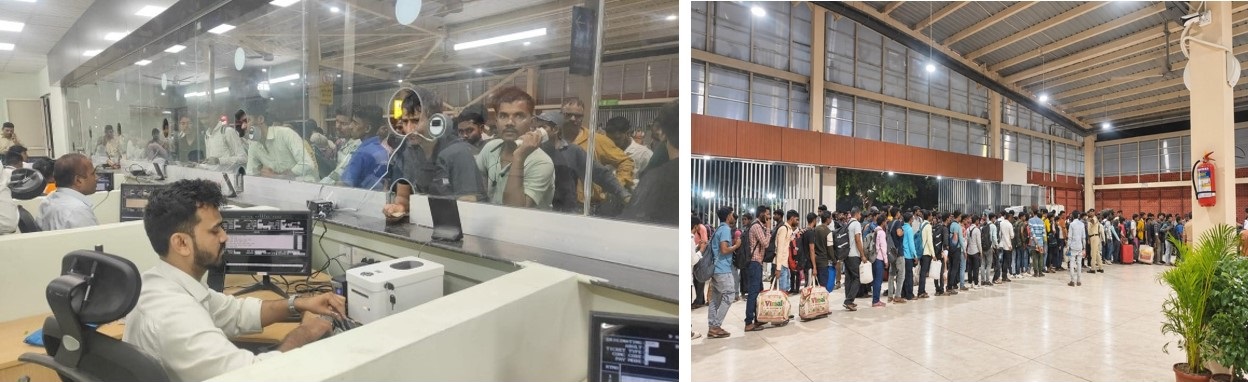

While operating additional trains was essential to meet the increased travel demand, railway authorities recognised that managing passengers before they boarded trains was equally important. Temporary holding areas provided immediate relief, but the growing volume of passengers highlighted the need for a permanent and more organised arrangement.
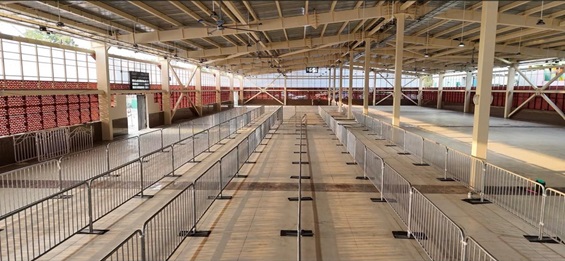
This led to the development of a dedicated Passenger Facilitation Centre at Udhna, designed to regulate passenger movement and provide adequate space and amenities before boarding.
10,224-Square-Metre Facility Developed in Five Months
Despite challenges posed by monsoon conditions and difficult soil-related circumstances, the construction of the passenger facility was completed in approximately five months. It was opened to passengers on October 31, 2026.
Spread across 10,224 square metres, the new facility can accommodate approximately 15,000 passengers at a time. According to Western Railway, it is the largest passenger holding area of its kind in Indian Railways.
In addition to the newly developed centre, an existing holding area measuring 2,550 square metres is also available at the station, further strengthening its capacity to manage large passenger volumes.
The development provides a structured system for accommodating passengers before they proceed towards the platforms, helping reduce congestion at critical points within the station.
Separate Zones for Ticketing, Waiting and Boarding
The Passenger Facilitation Centre has been designed with separate areas for passengers before, during and after the ticketing process. After completing their ticketing formalities, passengers can wait in designated holding areas and move towards the platforms in a regulated manner when their trains are ready for boarding.
This arrangement is expected to reduce pressure on platforms and station entry points during peak travel periods while improving passenger movement and boarding management.
The facility includes:
- 10 ticket counters for passenger convenience.
- Covered passenger holding areas.
- Dedicated seating arrangements for senior citizens and persons with disabilities.
- Separate toilet facilities.
- A dedicated breastfeeding room for mothers travelling with infants.
- RO-purified drinking water facilities.
- 32 large fans for passenger comfort.
- Electronic train display boards and directional signboards.
- A public announcement system supported by 146 speakers.
These facilities are intended to make waiting more comfortable and ensure that passengers receive timely information about train arrivals, departures and boarding arrangements.
AI-Enabled CCTV Surveillance and Dedicated War Room
Technology-based monitoring is another important component of the Udhna passenger management model.
The new facility has been equipped with 55 CCTV cameras featuring facial recognition and video analytics technology. A dedicated war room continuously monitors passenger movement and the overall operational situation.
The surveillance system enables railway officials to observe crowd movement, identify potential congestion and coordinate passenger boarding arrangements more effectively.
Adequate lighting, fire safety systems and emergency response arrangements have also been incorporated into the facility to strengthen passenger safety.
The combination of surveillance technology and coordinated operational management is expected to help railway personnel respond more efficiently during periods of exceptionally high passenger traffic.
Seven Lakh Passengers Travelled from Udhna in 15 Days
The new arrangements faced a major operational test during the Diwali and Chhath Puja travel rush in November 2026.
Between November 1 and November 15, approximately seven lakh passengers travelled from Udhna railway station.
During this 15-day period, Western Railway operated 62 special trains from Udhna, most of them unreserved services, in addition to 136 regular trains.
| Operational Details | Figures |
|---|---|
| Passengers travelling from Udhna | Approximately 7 lakh |
| Period | November 1–15, 2026 |
| Special trains operated | 62 |
| Regular trains operated | 136 |
| New holding area | 10,224 sq. metres |
| Capacity of new facility | 15,000 passengers |
| Existing holding area | 2,550 sq. metres |
| CCTV cameras | 55 |
| Ticket counters | 10 |
These figures highlight the scale of passenger movement that Udhna handles during peak travel periods and the importance of having adequate infrastructure beyond train operations.
Passengers Appreciate Railway Staff and Facilities
Passengers have also appreciated the improved arrangements and assistance provided by railway personnel.
A passenger travelling towards Uttar Pradesh praised the cooperation and behaviour of railway employees, stating that he did not face any difficulties while boarding the train.
“The behaviour of railway staff was very good. We did not face any problems,” the passenger said.
He also appreciated the cleanliness inside the train and said that the fans were functioning properly. The passenger expressed satisfaction with the facilities provided during the journey.
Udhna Model Could Offer a Blueprint for Other Busy Stations
The significance of the Udhna railway model extends beyond managing seasonal festival crowds. It represents a shift towards permanent passenger management infrastructure, where holding facilities, essential amenities, technology-enabled monitoring and coordination between railway departments work together.
The experience demonstrates that managing heavy passenger traffic requires more than operating additional trains. Equally important are arrangements for passengers before they enter platforms, including ticketing, waiting, information dissemination, security and regulated boarding.
With its large holding capacity and integrated passenger management system, Udhna could serve as an important example for other high-footfall railway stations facing similar challenges across the Indian Railways network.
The initiative reflects Western Railway’s approach to addressing growing passenger demand through planned infrastructure and improved operational coordination rather than relying solely on temporary crowd-control measures.