Indian Railways Plans Large-Scale Fly Ash Transportation Network to Boost Circular Economy

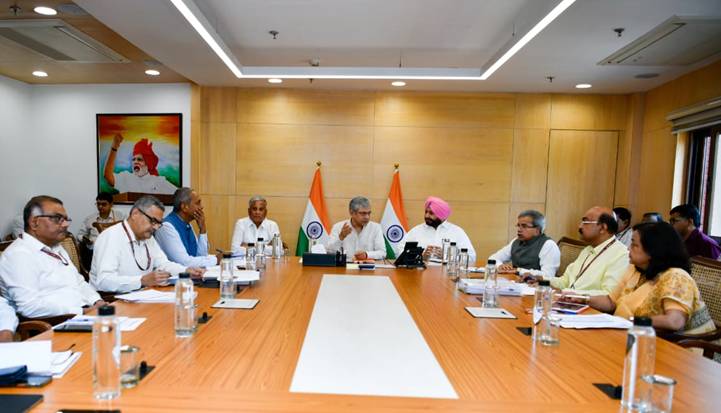
Indian Railways is set to play a key role in promoting sustainable industrial development and environmental conservation through a major initiative aimed at transporting fly ash from thermal power plants to industries across the country. The initiative was discussed during a high-level review meeting chaired by Railway Minister Ashwini Vaishnaw, with Union Ministers of State for Railways V. Somanna and Ravneet Singh Bittu also in attendance.
The proposed initiative seeks to establish a dedicated logistics network for the efficient movement of fly ash through the railway system. The objective is to transport the by-product generated by thermal power plants to industries that use it as a raw material for manufacturing cement, bricks, concrete products and for road construction and other infrastructure projects.
India generates nearly 340 million tonnes of fly ash annually from its thermal power plants. Traditionally, large quantities of this industrial by-product have accumulated around power generation facilities, posing environmental and land management challenges. The new railway-led initiative aims to transform this challenge into an opportunity by creating an organized and sustainable transportation framework.
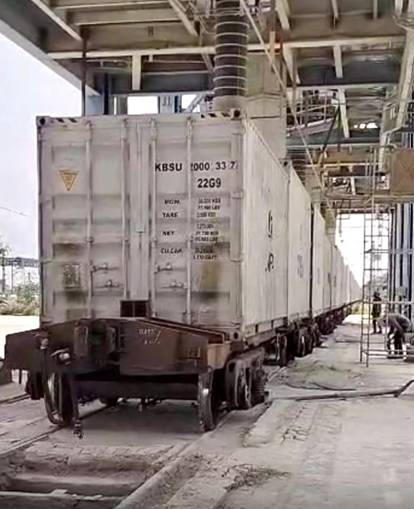
Officials said Indian Railways is planning to develop specialized logistics infrastructure, including dedicated rail corridors and specially designed containers, to facilitate the large-scale movement of fly ash. By leveraging the extensive railway network, the initiative is expected to ensure cost-effective, efficient and environmentally friendly transportation of the material from production centres to industrial hubs where demand exists.
The move aligns with the government’s broader vision of promoting a circular economy, where waste materials are reused as valuable resources rather than being discarded. Fly ash, once considered a waste product, has emerged as a critical raw material in several sectors. It is widely used in the manufacture of cement, ready-mix concrete, bricks, blocks and construction boards due to its strength-enhancing and cost-saving properties.
According to officials, increasing the availability of fly ash through improved transportation could significantly benefit the construction sector. Easier access to the material is expected to lower production costs for cement and bricks, which may eventually contribute to reducing construction expenses and making housing more affordable in both urban and rural areas.
The initiative is also expected to support India’s ambitious infrastructure development plans. Fly ash is extensively used in road construction, embankment projects and other civil engineering works. By ensuring a steady and reliable supply chain, the railway network can help accelerate infrastructure projects while promoting the productive utilization of industrial waste.
A key feature of the plan is the emphasis on environmentally responsible transportation. Unlike conventional methods that may involve multiple handling stages and road transportation, the use of specialized rail wagons and dedicated logistics systems will enable the material to be transported in a contained and controlled manner. This is expected to reduce dust emissions, minimize environmental impact and improve overall operational efficiency.
Industry experts have long advocated greater utilization of fly ash as a sustainable alternative to traditional construction materials. The railway initiative is likely to strengthen these efforts by addressing one of the major challenges faced by users of fly ash—its transportation from power plants to consumption centres.
Officials noted that the initiative represents more than just a logistics solution. It is an example of how infrastructure and environmental objectives can work together to create long-term economic and ecological benefits. By converting a large-scale industrial by-product into a valuable resource for development, the project supports resource efficiency, reduces waste accumulation and contributes to cleaner industrial practices.
The proposed fly ash transportation network is expected to become an important component of India’s green growth strategy. As the country continues to expand its infrastructure and housing sectors, the efficient movement and utilization of fly ash could help reduce environmental pressures while supporting economic growth.
With this initiative, Indian Railways aims to demonstrate how modern logistics can transform waste into wealth, turning a long-standing environmental burden into a productive building block for the nation’s future development.