


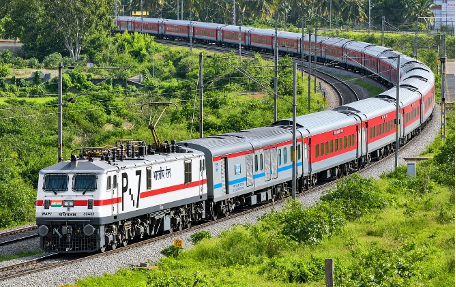
Railway connectivity is increasingly emerging as an important component of India–Nepal cooperation. Beyond providing transportation facilities, improved rail links are expected to create opportunities for cultural exchange, trade, tourism and closer people-to-people relationships across the border.
The new train service is being introduced as part of Indian Railways’ efforts to expand cross-border connectivity and improve access to important religious and cultural destinations in both countries.
Ayodhya–Janakpur Train to Connect Key Destinations
The new express train service will connect Ayodhya Dham in Uttar Pradesh with Janakpur Dham in Nepal, two important destinations associated with the religious and cultural heritage shared by India and Nepal.
According to the information provided, the train will have key stoppages at Gorakhpur, Basti, Raxaul, Sitamarhi, Madhubani and Jaynagar. These stations will improve railway access for passengers across several districts of Uttar Pradesh and Bihar, while facilitating travel between the two countries.
The service is expected to benefit pilgrims travelling to religious destinations, people visiting relatives and other passengers undertaking cross-border journeys. The improved connectivity could also make travel more convenient for tourists interested in exploring the shared cultural heritage of the two nations.
Religious Tourism and Cultural Ties to Receive a Boost
India and Nepal share deep-rooted religious, historical and cultural connections. Religious destinations in both countries attract devotees and tourists, making convenient transportation an important factor in promoting cross-border pilgrimage.
The Ayodhya–Janakpur rail link is expected to facilitate travel between two destinations that hold considerable religious significance. Better connectivity could encourage more visitors, strengthen cultural interaction and provide communities on both sides of the border with additional opportunities to engage with their shared heritage.
The anticipated increase in passenger movement could also support local economic activity. Hotels, restaurants, shops, transport operators and other tourism-related businesses along the connected regions may benefit from greater visitor numbers.
The initiative therefore extends beyond passenger transportation, with the potential to support tourism-linked employment and regional economic development.
Railway Connectivity as a Pillar of India–Nepal Relations
Improved transport infrastructure plays an important role in strengthening relations between neighbouring countries. Efficient railway links can facilitate the movement of people, support commercial activities and encourage regular interaction between communities.
The new train service adds another dimension to the existing cross-border railway network and reflects the role of Indian Railways in supporting bilateral cooperation through improved transportation facilities.
By connecting important destinations across Uttar Pradesh, Bihar and Nepal, the service is expected to improve accessibility while contributing to broader regional connectivity objectives.
Several Railway Projects Planned to Strengthen Cross-Border Links
Alongside the new passenger service, India and Nepal are pursuing other railway infrastructure initiatives to expand connectivity between the two countries.
Railway links such as Jaynagar–Bijalpura–Bardibas and Jogbani–Biratnagar are progressing in stages. These projects are intended to strengthen transportation links between important regions and create additional opportunities for passenger movement and trade.
The proposed Raxaul–Kathmandu railway line is another significant component of the broader vision for improving rail connectivity between India and Nepal. Once developed, the proposed link could provide an additional transportation connection between the two countries.
These projects collectively reflect efforts to develop a more extensive cross-border railway network, supporting regional mobility and economic cooperation.
Training for Nepal Railway Personnel
Cooperation between the two countries also extends to capacity building and technical training.
In recent years, Nepal Railway officers and staff have received training in various aspects of train operations at Gati Shakti Vishwavidyalaya in Vadodara. The training initiative is intended to strengthen technical knowledge and operational capabilities among railway personnel.
Such cooperation in training and skill development complements infrastructure projects and supports the development of railway operations in the region.
Rail Connectivity Beyond Transportation
The growing railway network between India and Nepal highlights the wider role of transport infrastructure in building regional partnerships. Improved connectivity can bring communities closer, encourage tourism, facilitate trade and create opportunities for greater cultural interaction.
The proposed Ayodhya Dham–Janakpur Dham train service, along with ongoing and planned railway projects, represents an important step in strengthening the transportation links between the two neighbouring nations.
With the scheduled flag-off by Prime Minister Narendra Modi and Nepal’s Prime Minister Balendra Shah on November 23, the new service is expected to underline the importance of railway connectivity in advancing India–Nepal cooperation and strengthening regional ties across South Asia.