Kakrapar Atomic Power Station Unit-1 Attains Criticality After Major Refurbishment
KGS-1 Becomes First NPCIL Reactor to Achieve Criticality Within Just 600 Days of Shutdown

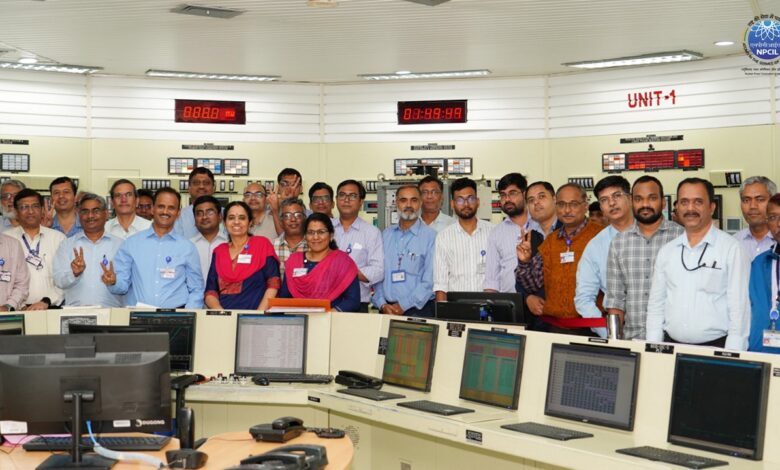
The achievement is particularly noteworthy as KGS-1 reached this milestone in just 600 days after being shut down for major refurbishment activities on April 1, 2025. With this accomplishment, the reactor has established a new benchmark across NPCIL’s nuclear power fleet, becoming the first NPCIL reactor to attain criticality within such a short period following major refurbishment work.
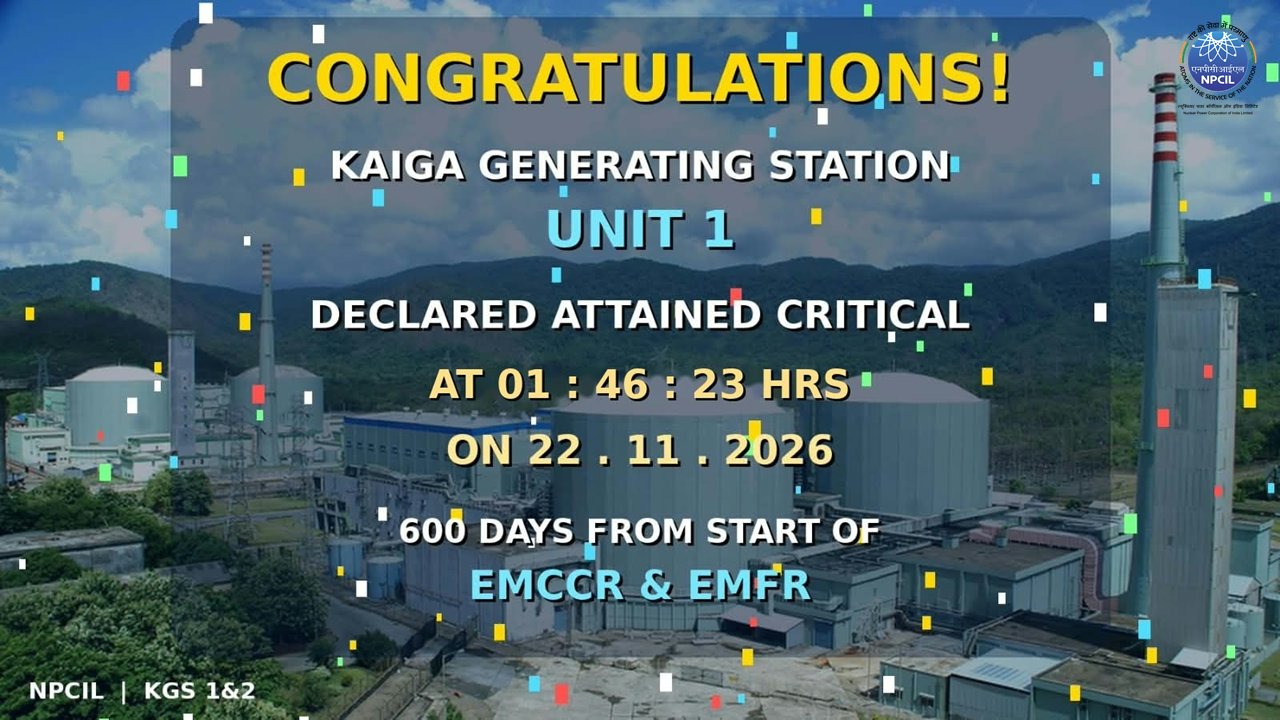
Criticality Marks Important Milestone in Reactor Operations
In nuclear reactor operations, criticality refers to the state in which a nuclear fission chain reaction becomes self-sustaining under controlled conditions. During this process, neutrons released through nuclear fission trigger further fission reactions, maintaining a stable chain reaction within the reactor core.
Attaining criticality is a crucial stage in restarting a nuclear reactor following an extended shutdown. It indicates that the reactor has successfully reached the required operating condition to sustain a controlled nuclear reaction. However, criticality does not mean that the reactor has immediately started supplying electricity to the grid. Further operational procedures, testing and regulatory requirements must be completed before the unit can resume commercial power generation.
Major Refurbishment and Technical Achievement
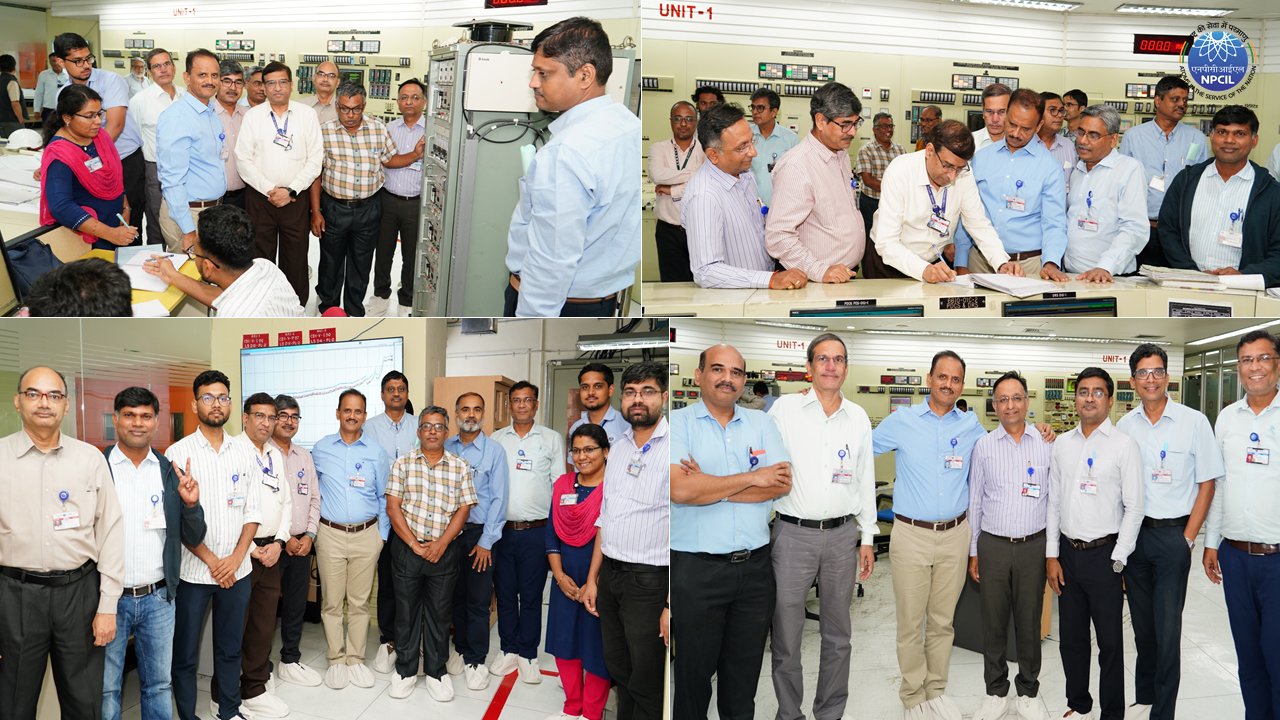
KGS-1 was shut down on April 1, 2025, to undertake major refurbishment activities involving EMCCR and EMFR. The successful completion of the refurbishment programme and the subsequent achievement of criticality within 600 days represent a significant operational accomplishment for NPCIL.
The relatively short turnaround time highlights the technical capabilities, planning, coordination and execution efficiency of the teams involved in the refurbishment and reactor restart process.
Achieving criticality after extensive refurbishment requires meticulous technical assessments, equipment inspections, system verification and adherence to stringent nuclear safety procedures. The successful milestone reflects the coordinated efforts of engineers, scientists, technicians and other personnel associated with the project.
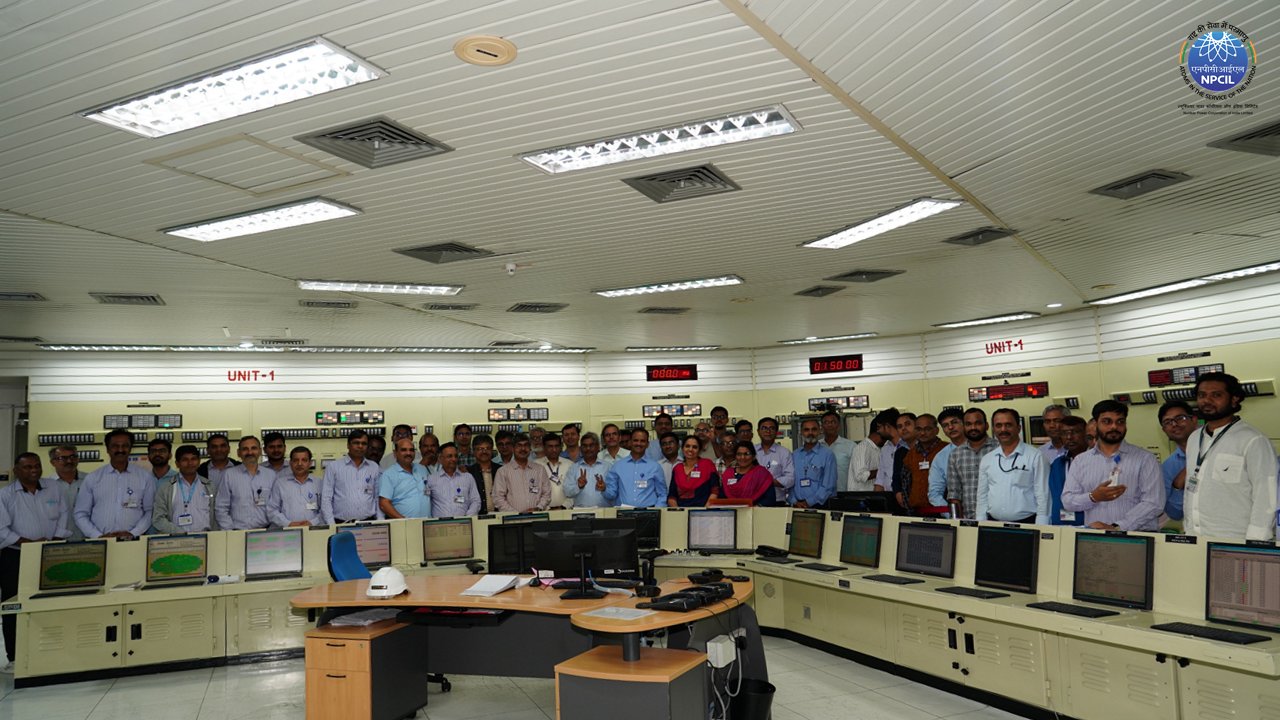
NPCIL described the achievement as a reflection of extraordinary dedication, technical excellence and unified teamwork.
New Benchmark for NPCIL’s Nuclear Reactor Fleet
The successful restart of KGS-1 within 600 days establishes a new fleet-wide benchmark for NPCIL. It demonstrates the organisation’s ability to undertake major refurbishment activities and bring nuclear generating units back to criticality within a significantly reduced timeframe.
The achievement is also important in the broader context of India’s efforts to strengthen its domestic nuclear power generation capabilities. Nuclear energy remains an important component of the country’s long-term strategy to diversify its electricity mix, enhance energy security and reduce dependence on fossil fuels.
NPCIL congratulated the entire KGS team, the NPCIL family and the wider Department of Atomic Energy (DAE) fraternity for their contribution to this achievement.
The successful attainment of criticality by KGS-1 on November 22, 2026, is therefore not merely a reactor restart milestone but also an important demonstration of India’s growing technical and operational expertise in nuclear power plant management.
As the unit moves towards the subsequent stages of its restart programme, attention will remain on completing the necessary operational procedures and safety requirements before resuming electricity generation.