NCRTC to Run 32 Additional Namo Bharat Train Trips on Bhai Dooj, Services at Less Than 10-Minute Intervals
Enhanced Train Frequency on November 11 to Manage Festive Rush on Delhi-Meerut Corridor; Move Aims to Reduce Waiting Time, Ease Road Congestion and Promote Public Transport

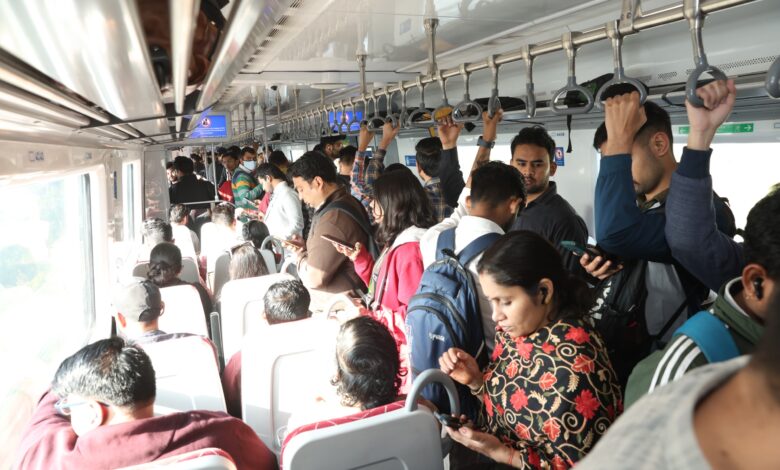
With the additional trips, Namo Bharat trains will be available at intervals of less than 10 minutes, improving connectivity and passenger convenience across the corridor.
Bhai Dooj is an important festival celebrated after Diwali, during which brothers traditionally visit their sisters’ homes to participate in the ceremonial rituals and exchange greetings. The occasion witnesses increased passenger movement as families travel across cities and towns to celebrate together.
Recognising the expected increase in travel demand, NCRTC has decided to strengthen train operations to ensure smoother and more comfortable journeys for passengers.
32 Additional Trips to Manage Festive Rush
The additional services will increase the frequency of Namo Bharat trains on November 11, allowing passengers to travel with shorter waiting times and improved availability of seats.
The enhanced frequency is expected to benefit people travelling to meet family members during Bhai Dooj, as well as regular commuters and other passengers using the Delhi–Meerut corridor.
NCRTC said the additional train services would help accommodate the higher passenger demand associated with the festival while ensuring a comfortable and reliable travel experience.
Since Bhai Dooj falls on a Wednesday this year, the movement of festive travellers is expected to coincide with regular weekday commuting traffic. This could put additional pressure on highways and major arterial roads across the National Capital Region.
The increased train frequency is intended to provide passengers with an efficient alternative to private vehicles and help them avoid traffic congestion during the festive period.
Namo Bharat Offers Alternative to Road Travel
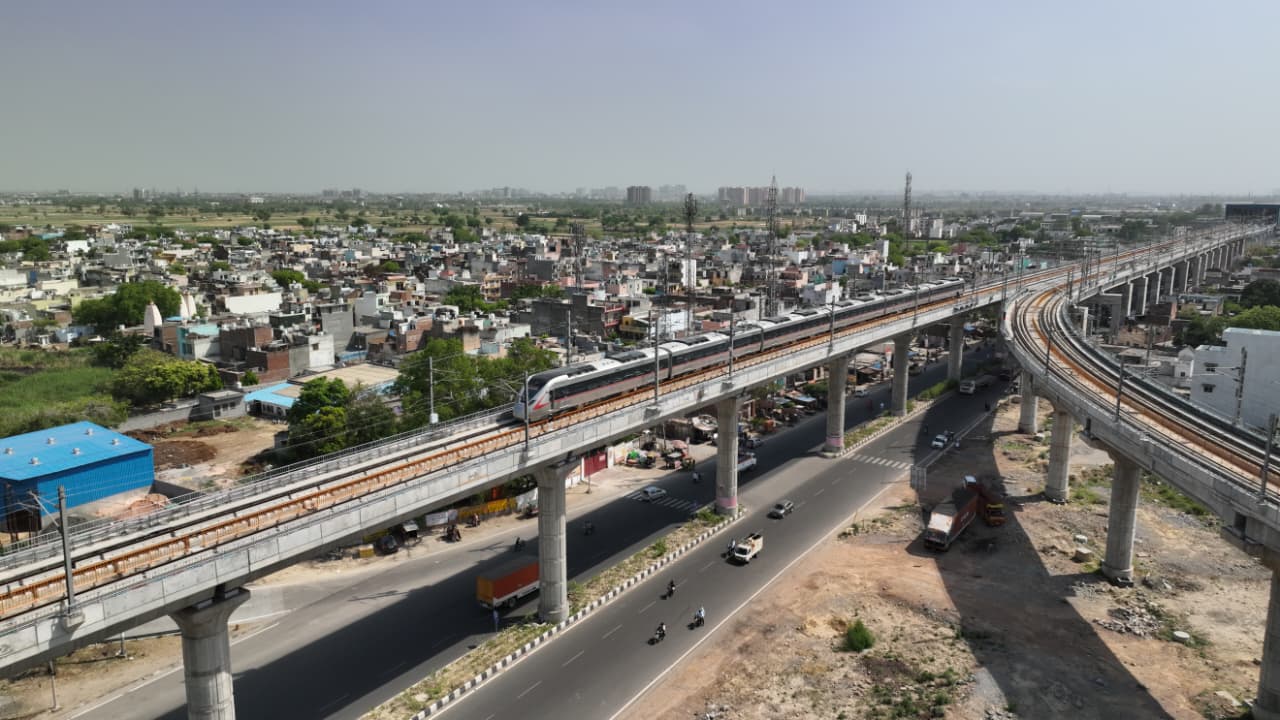
The Delhi–Meerut Namo Bharat corridor has emerged as an important public transport option for passengers travelling between Delhi, Ghaziabad and Meerut.
With its high-speed regional connectivity, the service offers an alternative to road journeys, particularly during periods of heavy traffic.
The additional trips on Bhai Dooj are expected to improve the overall passenger experience by reducing waiting periods, providing better opportunities to find seats and facilitating smoother movement during peak travel hours.
NCRTC’s decision also comes at a time when traffic congestion is expected to increase across the region due to festive travel and regular office and commercial activity.
By increasing train frequency, the corporation aims to encourage more people to use public transport instead of relying on private cars and other road-based modes of transportation.
Focus on Public Transport Amid Rising Air Pollution
The enhanced Namo Bharat services also carry significance in the context of deteriorating air quality across the National Capital Region.
Air pollution levels in Delhi-NCR had reached critical levels even before Diwali and have worsened further following the festival. The situation has renewed attention on the need to reduce vehicular emissions and encourage cleaner and more sustainable mobility options.
NCRTC is already operating 20 additional train trips to accommodate increased passenger demand and encourage the use of public transport.
For Bhai Dooj, the number of additional trips will be increased to 32, further strengthening the regional transport service during the festive rush.
The higher frequency is expected to encourage passengers to choose Namo Bharat over private vehicles, potentially reducing road traffic pressure and supporting efforts to limit transport-related emissions.
Public transport systems with higher passenger-carrying capacity can play an important role in reducing dependence on individual vehicles, particularly on busy regional corridors connecting major urban centres.
NCRTC Strengthens Regional Connectivity During Festive Season
The additional services reflect NCRTC’s efforts to align train operations with changing passenger demand during festivals and other high-mobility occasions.
Bhai Dooj typically generates significant intercity and local travel as families come together for celebrations. By increasing the number of train trips and ensuring intervals of less than 10 minutes, NCRTC aims to make regional travel more convenient and accessible.
The enhanced operations are expected to benefit passengers travelling in both directions along the Delhi–Meerut corridor.
With festive traffic, weekday commuting demand and air pollution concerns coinciding, the additional Namo Bharat services are expected to provide passengers with a faster, more reliable and comfortable travel option.
The initiative also reinforces the role of regional rapid transit systems in improving connectivity, reducing dependence on private vehicles and supporting sustainable urban and regional mobility across the National Capital Region.