India’s Semiconductor Mission Enters Next Phase with Semicon 2.0: Ashwini Vaishnaw

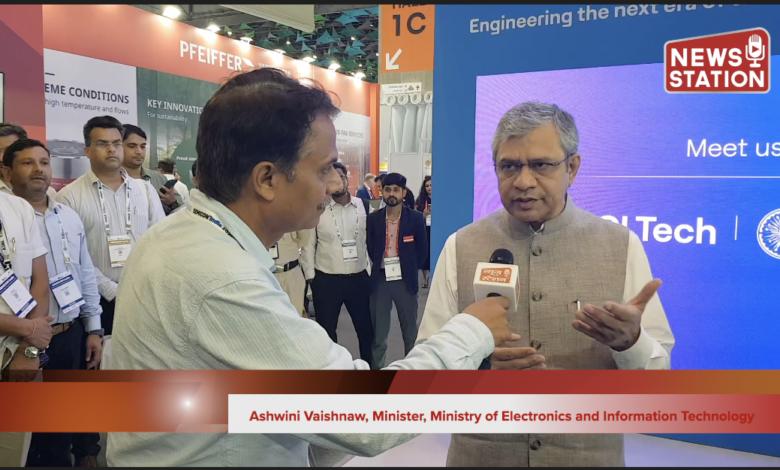
Union Minister for Electronics and Information Technology Ashwini Vaishnaw has outlined India’s next phase of semiconductor development, saying that Semicon 1.0 was focused on building the foundation, while Semicon 2.0 aims to develop the complete semiconductor ecosystem in the country.
Speaking exclusively to News Station Editor Siddharatha during SEMICON India 2026 in New Delhi, Vaishnaw said India’s semiconductor programme has progressed in a systematic and methodical manner. Under Semicon 1.0, 12 semiconductor projects were approved, with five facilities having commenced commercial production, according to government data.
Explaining the difference between the two phases, Vaishnaw said Semicon 1.0 was about creating the basic foundation and establishing confidence in India’s semiconductor capabilities. Semicon 2.0 will build on that foundation and expand the ecosystem across the entire semiconductor value chain.
The second phase is structured around six pillars — chip design; machines and materials; setting up additional fabs; strengthening ATMP/OSAT advanced packaging; research and development; and talent development.
Vaishnaw stressed that semiconductors are a highly complex industry and that decisions taken today will have implications for India’s technological capabilities over the next two to three decades. The government’s approach, he said, is therefore designed to be systematic and long-term.
Semicon 2.0 was approved by the Union Cabinet in July 2026 with a ₹1,27,500-crore outlay. The programme seeks to expand India’s capabilities from chip manufacturing to design, equipment, materials, advanced packaging, R&D and skilled manpower.
According to the government, around ₹1 lakh crore in investment commitments have already emerged under the Semicon 2.0 ecosystem, with close to one lakh employment opportunities expected across the sector.
Asked about India’s position by 2047, Vaishnaw said India would become an important player in the global semiconductor industry.
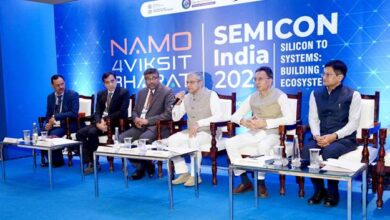
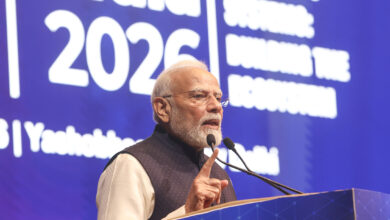
With SEMICON India 2026 bringing together global companies, investors, policymakers, researchers and startups, India is now seeking to move from establishing semiconductor manufacturing capabilities to developing a broader domestic ecosystem spanning design, fabrication, packaging, equipment, materials, research and talent.