PM Modi Announces Fast-Track Courts for Paper Leak Cases; Sonam Wangchuk Ends Hunger Strike After Assurance

Prime Minister Narendra Modi has announced the establishment of fast-track courts to ensure speedy trials and quicker punishment in examination paper leak cases, a move aimed at strengthening the integrity of India’s competitive examination system following the nationwide controversy surrounding the NEET-UG 2026 paper leak.
The announcement comes amid widespread public concern over the alleged leak of the NEET-UG 2026 examination, which reportedly affected more than two million medical aspirants across the country. The incident triggered protests by students and civil society groups demanding strict action against those responsible, comprehensive reforms in the examination process, and greater accountability from authorities.
According to the Prime Minister, dedicated fast-track courts will help accelerate investigations and judicial proceedings in paper leak cases, ensuring that those found guilty receive punishment without prolonged legal delays. The government said the initiative is intended to restore confidence among students and parents in the country’s competitive examination system.
The announcement follows weeks of demonstrations led by a youth group identifying itself as the Cockroach Janta Party (CJP), which has been holding a protest camp at Jantar Mantar in New Delhi since late June. The group has demanded the resignation of Union Education Minister Dharmendra Pradhan, compensation for families allegedly affected by the controversy, and sweeping reforms in the conduct of public examinations.
Several rounds of protests witnessed tense moments, with clashes reported between demonstrators and police personnel. Both protesters and security personnel sustained injuries during some of the confrontations, further intensifying the political debate surrounding the issue.
The ruling Bharatiya Janata Party (BJP) welcomed the Prime Minister’s decision, describing the creation of fast-track courts as a major institutional reform to deter future examination fraud. BJP leaders also highlighted that the Central Bureau of Investigation (CBI) is continuing its probe into the alleged paper leak and said the government remains committed to identifying everyone involved in the conspiracy.
Opposition parties, however, argued that the announcement alone does not address broader concerns regarding accountability. Congress leader Rahul Gandhi termed the measure inadequate and reiterated his party’s demand for the immediate removal of the Education Minister while calling for stronger institutional safeguards to prevent future examination irregularities.
The Centre has maintained that protecting the credibility of competitive examinations remains one of its highest priorities and has assured students that strict legal action will be taken against all those found responsible.
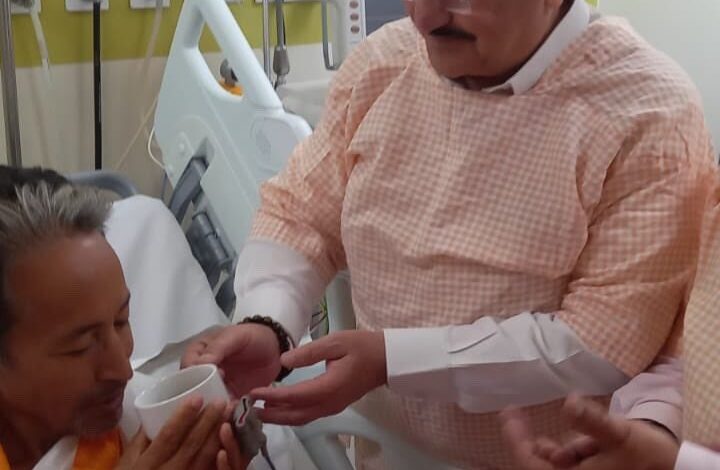
Meanwhile, climate activist Sonam Wangchuk ended his hunger strike at Medanta Hospital in Gurugram after receiving what sources described as a late-night assurance from Prime Minister Narendra Modi.
According to sources, the Prime Minister conveyed in a personal message that the Union Cabinet would consider even stricter measures relating to the NEET-UG 2026 paper leak during its scheduled meeting. However, no official statement has yet confirmed the contents of the reported assurance.
Union Ministers J.P. Nadda and Dr. Jitendra Singh were present when Wangchuk concluded his fast.
Wangchuk had been observing the hunger strike in support of students affected by the alleged examination leak. His protest drew national attention and added momentum to demands for accountability and reforms in the examination system.
Speaking after ending his fast, Wangchuk said the focus should now shift from protest to implementation.
“The priority is to ensure swift justice for the affected students and complete accountability for those responsible for the leak,” he said, expressing hope that the government’s announced measures would be implemented effectively.
With investigations continuing and further policy decisions anticipated, the government’s response to the NEET-UG 2026 controversy is likely to remain under close public and political scrutiny in the coming days.